

























































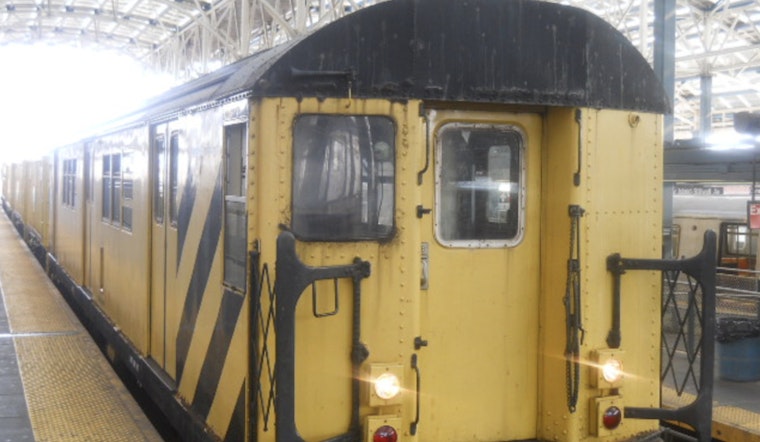
New York’s behind-the-scenes subway fleet is quietly running on fumes. Nearly two-thirds of the Metropolitan Transportation Authority’s non-revenue work-train locomotives are out of action, leaving crews with only 41 of 115 machines ready to haul rails, ballast, de-icer gear and other maintenance equipment through the system. With so many units sidelined, teams are shuffling the remaining locomotives, triaging overnight jobs and timing repairs and overhauls as carefully as possible. Most riders will never board these yellow work trains, but they are the muscle that keeps tracks clear and critical fixes moving.
How Thin The Fleet Is, And What The MTA Says
The numbers work out to roughly 36 percent of the work-locomotive fleet being available, with many older diesels and legacy units laid up, according to New York Daily News. That outlet, citing MTA inventory figures, reports that several older diesel locomotives and multiple R156-series units are largely off the board. In a statement to the paper, MTA spokesman Michael Cortez insisted the repair backlog “was not affecting maintenance work,” as crews juggle jobs with a slimmed-down roster of engines.
New Hybrid Engines Are Coming, Just Not Fast
The authority has beefed up a MotivePower contract to bring in R255 diesel-battery hybrid locomotives as part of a wider push to modernize its work-train fleet, with the extended order and stretched rollout timeline detailed by the New York Post. The R255s are billed as cleaner and more reliable in tunnels, cutting emissions while boosting uptime. Procurement analysts and critics, though, have questioned how quickly the expanded order can actually be delivered and absorbed into service. For now, only a small handful of those hybrids are working across the system.
Heavy Overhauls Will Drag Into 2027
Some of the oldest motors are not just in the shop, they are out of the country. The Daily News reports that R77E motors have been shipped to Quebec for heavy overhaul work and are not expected back until the first quarter of 2027. Between transporting major components and the lengthy rebuild process, those units will be off the roster for months. That means crews will be leaning on a reduced group of locomotives through 2026, even as officials say the overhauls and incoming hybrids are supposed to shore up reliability once they finally return.
Why This Matters For Subway Delays
State number-crunchers have already warned that equipment trouble is eating up a growing share of subway performance. A report from the Office of the State Comptroller found that infrastructure and rolling-stock failures have become a larger slice of overall delays in recent years. Transit watchdogs say that trend makes timely locomotive overhauls and replacements more than a nice-to-have. If maintenance crews are short on engines, clearing disabled trains or squeezing in overnight track work can take longer and risk knock-on delays once the morning rush hits.
What Riders Should Expect Next
The MTA says a mix of new R255 hybrid locomotives and a scheduled overhaul program will eventually steady the non-revenue fleet. The real test will be whether deliveries and rebuilds actually land on time. In the meantime, agency crews are focusing on the most critical work while managers juggle limited repair capacity and long-lead procurement in an effort to rebuild a healthier maintenance fleet behind the scenes.



