

























































For military families across the country, the last three weeks have felt less like a normal deployment and more like living under a constant weather alert - a steady hum of worry, broken up by sudden headlines and long stretches with no word from the people they love. Parents from Bowie, Maryland, to Wiesbaden, Germany, describe the same routine: odd-hour phone checks, backup plans for childcare and pets, and small household rituals that keep life moving when a ship or squadron has been gone for months. All of it has been reshaped by a war in the Middle East that has pushed U.S. forces into sustained operations far from home.
Caryl Banks, one of four families featured in recent reporting, recalled climbing onto a chair at 1 a.m. to scrub the ceiling, brushing off a friend with, "I don’t want help" - a burst of deep cleaning that, she said, kept her panic in check while she waited for news. As reported by The War Horse, ordinary chores and careful planning become the quiet work of holding life steady. The story, republished by Times of San Diego, followed households from Virginia Beach to New Mexico and Germany.
Carrier Fire And An Endless-Feeling Patrol
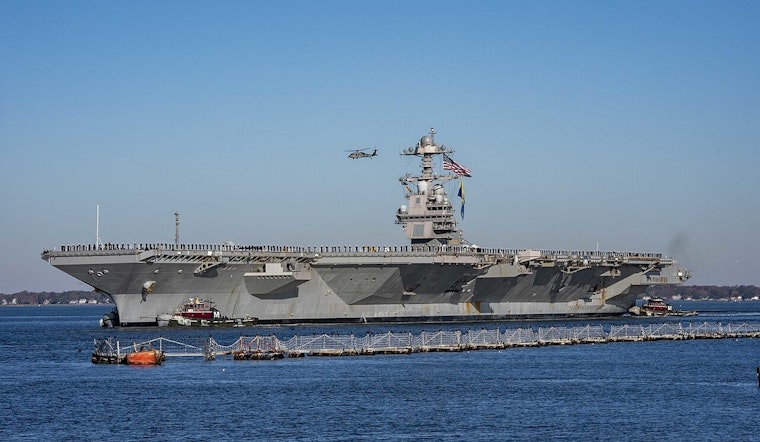
In mid March, a non-combat fire broke out in the USS Gerald R. Ford’s laundry spaces, triggering an onboard damage-control response and a port call for pierside repairs at Souda Bay, Crete, according to USNI News and official statements. The U.S. Navy said crews inspected and overhauled the affected areas while the carrier continued to support CENTCOM tasking, and naval-affairs reporting noted that the ship remained operational throughout the response. Navy statements and defense coverage also point out that the Ford has been at sea since June 2025 and that senior officials told lawmakers the deployment could stretch toward roughly 11 months; see the account from the U.S. Navy.
Operation Epic Fury And The Human Cost
Operation Epic Fury, the U.S. campaign that began on Feb. 28, has drawn on a wide mix of air, sea and missile assets, according to CENTCOM, which outlined the forces and targets used in the operation’s first 10 days. The early weeks have carried a real cost: reporting compiled by the Associated Press and other outlets estimates roughly 13 U.S. service-member deaths in the first weeks of fighting, including fatalities linked to strikes and an air-refueling crash in western Iraq; see AP coverage collected at NY1.
Preparing At Home: The 'Go Binder' And Daily Rituals
On the home front, preparation often starts with paperwork. Destinee Prete described a "go binder" stuffed with birth certificates, passports and powers of attorney as the single most important item that lets a household keep functioning if a service member is suddenly recalled. Families also talked about reshuffling daycare routines, updating chore charts and leaning on informal networks of neighbors and military spouses for school drop-offs and late-night emergencies. Those practical moves - and the small rituals that sustain them - are part of the portrait captured by Times of San Diego.
For many spouses and parents, the waiting eventually settles into a fragile new normal, a mix of pride in service and constant worry about what could change before loved ones come home. "My heart and head are very full," Sabrina Baginsky told The War Horse, a phrase that has become shorthand for the emotional overload these families are carrying while ships like the Ford stay at sea.




.jpg)