

























































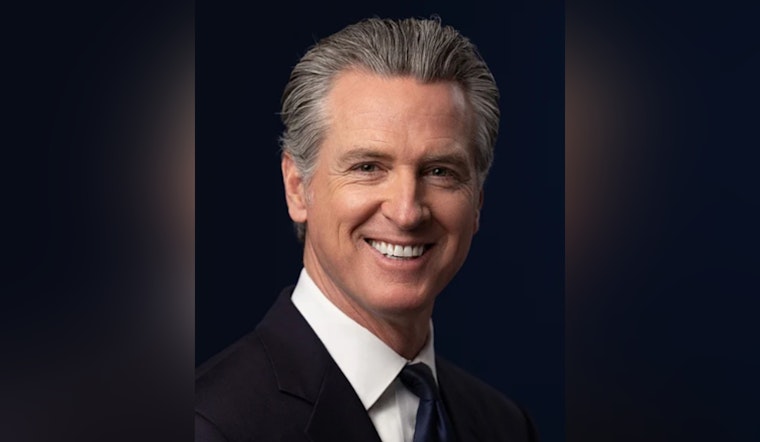
California’s political class just got some new fine print on their side hustles. Gov. Gavin Newsom signed an executive order Friday that bars certain state political appointees from using non-public state information to place wagers on prediction markets. The directive targets trades tied to politics, sports and world events, takes effect immediately, and is being pitched as an ethics guardrail meant to stop public servants and their close circles from cashing in on insider knowledge.
The order applies to gubernatorial appointees and, according to KTLA, extends to family members and business partners who might try to use state information for trading. KTLA reported that the measure was signed March 27 and became effective right away. The station said the governor’s office cast the move as a narrow ethics reform that closes a loophole for people with access to confidential state information.
The executive order follows weeks of heavy scrutiny after unusually timed wagers on events such as U.S. strikes in Iran and the capture of Venezuela’s leader sparked accusations that some traders may have benefited from nonpublic intelligence. The Associated Press reported that Kalshi and Polymarket have tightened rules and surveillance tools amid the controversy, while Axios has reported that Kalshi will preemptively block athletes and political candidates from trading on markets tied to their own events. Lawmakers in Washington have begun drafting legislation that would limit officials’ participation in these markets as part of a broader push to decide whether prediction platforms count as finance or gambling.
Newsom framed his move as an attempt to draw a bright ethical line. “Public service should not be a get-rich-quick scheme,” he told reporters, according to KTLA. He added that appointees are expected to serve the public without using confidential state information to make money in private markets.
What It Means For State Ethics And Enforcement
The order is an executive branch directive that can tell appointees what they are and are not allowed to do, but it does not on its own criminalize insider betting, and initial coverage did not spell out any specific penalties or new monitoring systems. Experts and advocates say the long-term impact will likely hinge on how rigorously appointees are monitored, how often cases are referred to state investigators, and whether federal regulators decide to step in. The debate over which agencies have jurisdiction and what penalties should look like is playing out nationally, as reporting by The Washington Post has shown. For now, Newsom’s order functions mainly as a public statement of his position while broader legal and legislative fights continue.
The move is likely to be watched closely by other states and by Capitol Hill, where senators have floated bills and regulators are weighing how to police prediction markets. Kalshi and Polymarket have argued that they are building in safeguards, but the platforms’ rapid growth, coupled with the controversies that helped spur Newsom’s order, suggest more rules are coming, Axios reported.





