

























































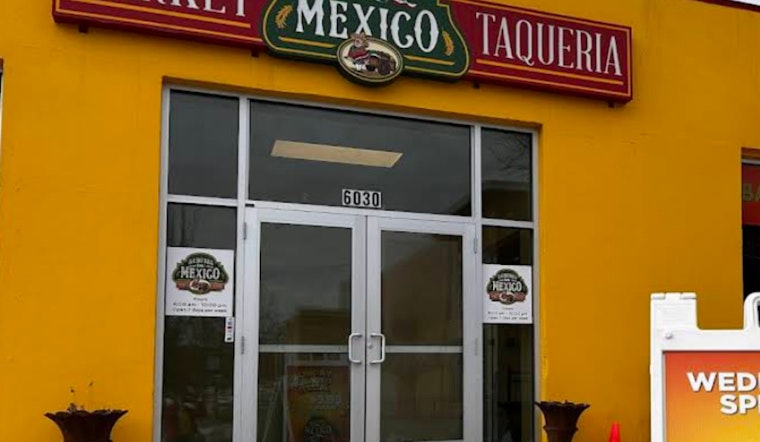
On a busy stretch of Nicollet Avenue in south Minneapolis, a grocery and taqueria that barely survived one crisis is now staring down another. Bahman Razmpour, owner of Sabores de Mexico Market & Taqueria, says a new energy shock tied to the war in Iran threatens to wipe out the fragile recovery he has been fighting for since he opened in April 2025.
The shop never fully bounced back after the metro’s recent immigration enforcement sweep, which he says scared off customers and scrambled staffing. Now higher fuel and shipping fees linked to the conflict in Iran are landing on top of those losses, and Razmpour says the math is starting to look brutal.
Local shop already reeling
Razmpour told Star Tribune that sales plunged roughly 80% during Operation Metro Surge and that he lost about $250,000 in the run-up to this year. He said fuel surcharges and price hikes tied to U.S.-Israeli strikes in Iran are now adding roughly 5% to 8% to his costs.
At one point, he said, the situation was so bleak that he told his accountant, “I am willing to sell the business for $1 as long as I can get some money for all the equipment assets we put in there,” describing how staff disruptions and customer fear forced him to lock the doors and shrink service. He has nudged a few menu items up by 50 cents, but says gradual price bumps are nowhere near enough to cover sustained surcharges.
Where the extra charges are coming from
Some of the pressure is coming from parcel and freight carriers that have added targeted lane fees and raised weekly fuel surcharge calculations since the conflict began. Industry reporting shows UPS and FedEx introduced Middle East surcharges and pushed domestic and air fuel surcharge percentages higher in March, according to Supply Chain Dive. UPS fuel surcharge tables also document significant recent jumps in its own calculations, as reflected in UPS published tables.
On top of that, Minnesota pump prices have climbed into the mid 3 dollar range for regular gas, which raises local delivery and operating costs for neighborhood shops like Sabores, according to local reporting by CBS Minnesota.
Postal and supplier fees deepen the squeeze
The U.S. Postal Service has added its own twist to the cost crunch. In a recent filing, USPS announced a time limited, transportation related price change that would amount to roughly an 8% increase on certain competitive package products in order to better align prices with rising transportation costs, according to a USPS statement.
National suppliers have also begun tacking on energy surcharges, creating a chain reaction that leaves small business owners deciding which hit they would rather take: absorb the costs themselves, or hike prices and risk driving away customers who are already stretched.
Relief and what comes next
Some help is trickling in, even as owners tally what they have already lost. Hennepin County has launched a 2 million dollar Small Business Recovery Fund that offers one time payments to cover rent or mortgage costs for stores hit by the immigration enforcement surge, as reported by Star Tribune. Local nonprofits and city programs are also trying to fill gaps with their own assistance.
Business owners say these short term grants help them keep the lights on and the landlord paid, but they do not erase deeper operating shortfalls, especially if elevated fuel and shipping fees stick around.
For shops like Sabores, which doubles as a grocery store and an informal community hub, the choices are not pretty. Razmpour can try to negotiate different terms with suppliers, cut back deliveries and offerings, or pass more costs to customers and risk losing market share. Owners and regulars alike say they are hoping the fee spike eases soon. Until then, the Iran linked energy shock is one more test for a small business recovery that was only just getting off the ground.





