

























































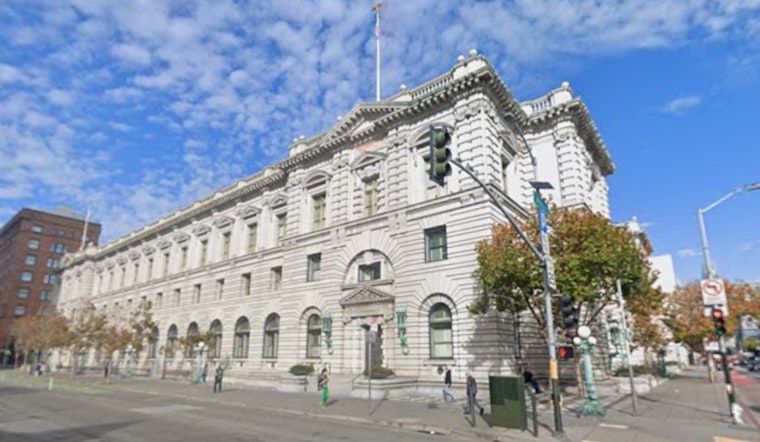
A three‑judge panel of the U.S. Court of Appeals for the Ninth Circuit has ruled that the dormant Commerce Clause does not apply to state‑regulated cannabis markets. That decision keeps residency and many social‑equity preferences insulated from federal Commerce Clause challenges inside the Ninth Circuit and deepens a growing split with other appeals courts that could eventually force the Supreme Court to weigh in.
In a consolidated opinion in Peridot Tree WA, Inc. v. Washington State Liquor & Cannabis Control Board and Peridot Tree, Inc. v. City of Sacramento, the Ninth Circuit affirmed dismissals of suits brought by out‑of‑state companies and concluded that courts do not need to extend the dormant Commerce Clause to an industry that remains unlawful under federal law, according to the Ninth Circuit. Legal trade reporting has flagged the ruling as one that sharply shifts the litigation landscape for residency and equity rules, as noted by Law360.
Circuit split widens
The Ninth Circuit's holding conflicts with earlier appeals‑court decisions that found the dormant Commerce Clause can bar state licensing rules that favor in‑state applicants. See the First Circuit's decision in Northeast Patients Group v. United Cannabis Patients & Caregivers of Maine, published by FindLaw, and the Second Circuit's Variscite ruling, which rejected state priority rules in New York, as reported by Justia.
What it means for West Coast businesses
Inside the Ninth Circuit, which covers California, Washington, Oregon, Nevada, Arizona and other Western jurisdictions, regulators may have more room to design licensing windows that prioritize locals or target equity goals without immediate exposure to dormant Commerce Clause suits. The appeals opinion reviews Sacramento's CORE set‑asides and Washington's residency and social‑equity rules and explains why those on‑the‑ground policies survive at least for now in this circuit, a point underscored by local government groups such as RCRC.
What's next: en banc petition and rescheduling
The litigation calendar is already moving. Appellants in the Peridot Tree cases have a narrow window to seek rehearing en banc, with filings tied to a March 17, 2026 deadline, according to coverage of the appeals schedule and court orders.
At the same time, the federal backdrop is shifting. President Trump issued an executive order on December 18, 2025 directing the attorney general to expedite rulemaking to reschedule marijuana to Schedule III, as outlined in a White House fact sheet. Courts have acknowledged that development but have also noted that it does not automatically resolve dormant Commerce Clause disputes, according to Regulatory Oversight.
Legal implications
With multiple circuits now divided on whether federal illegality removes dormant Commerce Clause protections, analysts say the odds increase that the Supreme Court will be asked to settle the dispute and that a high‑court ruling could reshape social‑equity programs and licensing systems nationwide. Trade reporting warns that a definitive ruling from the high court would likely require states to rethink how they structure residency, conviction‑based and preference programs for cannabis licenses, according to Law360.
For now, cannabis operators, city regulators and equity advocates in the Ninth Circuit will be watching to see whether the Peridot Tree appellants press for en banc review and, if that fails, whether the split attracts the Supreme Court's attention. If the conflict persists, the next several months could determine whether local licensing priorities remain primarily a state matter or become the subject of nationwide constitutional limits.





