

























































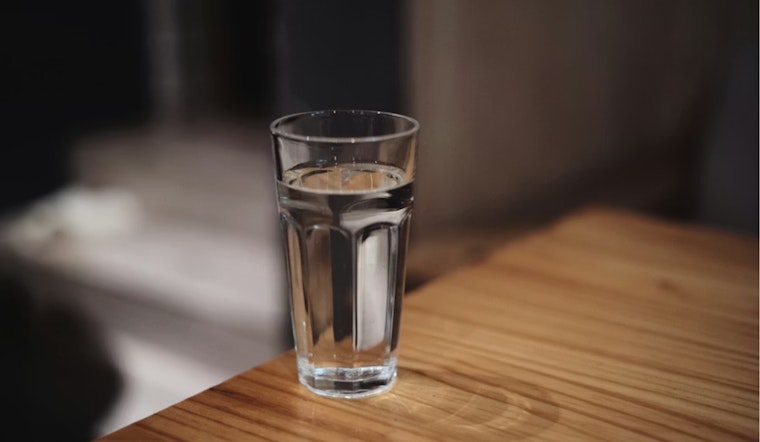
Denver diners are about to find out how thirsty a drought can feel at the table.
Restaurants across the city are being told to pour water only when customers ask for it, part of a broader Stage 1 drought response the Denver Board of Water Commissioners adopted this month. The move comes after one of the driest, warmest winters in recent memory and is meant to stretch supplies, even if it adds a little awkwardness to the classic “can I start you off with something to drink” routine.
Some local operators say they understand why the rule is landing, but they warn it could slow down already hectic service, especially at bars where shared pitchers and self-serve jugs are a staple of the workflow.
Under Stage 1, single-family households get two assigned watering days per week, and multifamily and commercial properties are also limited to two assigned days. Outdoor watering is banned between 10 a.m. and 6 p.m., according to Denver Water. The board set the measures to run through April 30, 2027, and officials say the plan aims to cut roughly 20% of water use over the coming year, as reported by Axios. The restrictions also reach into car washes, landscaping, and other nonessential outdoor uses.
“When the city and the state are putting restrictions like that on you, they're doing it for a reason,” said restaurant owner Juan Pedro, who told CBS News he owns more than 20 businesses affected by the rule. Pedro said restaurants will prioritize dishwashing and hand-washing while they rework front-of-house routines, but he warned that self-serve water jugs at bars could be a practical headache. Other local operators told CBS News they already ask diners if they want water instead of filling every glass by default.
Nearby Aurora is trying a softer touch. The city is promoting a voluntary version of the same practice, asking restaurants to serve water only when customers request it, and warning that formal limits would kick in only if officials vote to tighten rules, according to the City of Aurora. In Denver, where the ask is more immediate, some operators are considering putting bottled water on tables for sale instead of endlessly refilling tap water. Managers say that whatever tweaks they make, sanitation and customer safety are not on the bargaining table.
Why The Board Moved Now
Denver Water reports that mountain snowpack in the utility's collection area is at historically low levels, roughly 55% of normal in the Colorado River Basin and 42% in the South Platte as of March 23, with reservoir storage also below average, according to Denver Water. That backdrop helped push the board to act.
Board president Tyrone Gant warned the utility is “dealing with conditions that we've never seen before,” a comment reported by Axios. Staff have said getting snowpack back to normal levels would require an unusually wet spring, something no one is eager to gamble the city’s water supply on.
What Diners Should Expect
Do not count on that automatic glass of water showing up anymore. Servers may wait until you ask for it, and some restaurants could pivot to selling bottled water or keeping a single communal pitcher behind the bar instead of dropping carafes on every table, owners told CBS News.
For customers, the adjustment is straightforward: speak up when you want water and cut staff a little slack while they retrain muscle memory built over years of “water for the whole table” service.
Local governments and restaurants are also reminding people that what happens at home matters just as much. Delaying sprinkler start-ups, fixing leaky fixtures, and rethinking nonessential outdoor water use are all on the recommended list, according to local water authorities such as the City of Arvada. The pitch is simple: if everyone trims a bit, from the backyard hose to the restaurant water glass, the whole region stands a better chance of riding out the drought.




