

























































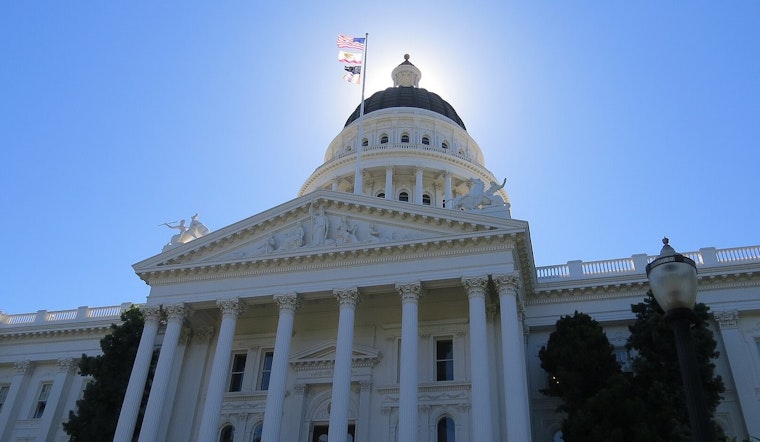
On Wednesday the west steps of the California State Capitol turned into a memorial and a pressure campaign, as family members, activists and community allies gathered to mark the eighth anniversary of Stephon Clark’s killing and urge lawmakers to tighten rules on police use of force. The gathering blended grief with pointed calls for new laws and department policies aimed at preventing similar shootings. Organizers said the yearly event is designed to keep Clark’s name, and the unfinished policy work tied to his case, in front of Sacramento officials and the state legislature.
Stevante Clark told KCRA, "We're here to prevent Stephon Clarks from ever happening again," and said the family plans to return each year until they see real accountability. Relatives joined community groups in leading a moment of silence, followed by brief speeches that pressed for concrete changes in how officers chase suspects and respond to people in crisis.
Policy changes inside the department
A 2019 review by the California Department of Justice found that the Sacramento Police Department had recently put a foot pursuit policy in place and tightened its body worn camera rules in the wake of Clark’s death. The same review called for broader reforms to use of force training, data reporting and public transparency. The assessment outlined a series of recommendations, including clearer limits on high risk tactics and stronger procedures for incident review and documentation, that local advocates still cite when pushing the city to go further. The California Department of Justice urged the department to adopt more specific guidance aimed at saving lives.
State law tightened after the shooting
At the state level, lawmakers responded in 2019 by tightening the legal standard for deadly force. Assembly Bill 392 redefined when officers in California may use lethal force, stating that it is allowed only when it is "necessary in defense of human life." The measure replaced an older, looser rule and is part of the broader policy backdrop that speakers pointed to at the Capitol rally. The full bill text and legislative findings are posted on the California Legislature’s website.
Prosecutors' decisions and lingering anger
Although Clark’s death triggered large protests across Sacramento in 2018, prosecutors announced in 2019 that they would not file criminal charges in the shooting, a decision that still fuels anger for the family and many supporters. Organizers at the Capitol said the lack of charges, combined with what they view as incremental policy shifts, is a key reason they continue to press both city and state officials for deeper reform. KCRA has additional coverage of the family’s remarks.
The rally wrapped up with fresh calls for lawmakers to fully adopt the Justice Department’s recommendations, close gaps in state law and invest in community programs that organizers say can reduce confrontations with police in the first place. For the Clark family and their allies, this yearly return to the Capitol is meant to function both as a memorial and as a reminder that the promises of reform made after 2018 are still a work in progress.





