

























































A North St. Louis woman has been ordered to serve 10 years in prison for the strangulation death of her boyfriend, a sentence his grieving relatives say does not come close to the weight of what they lost. Reginald "Reggie" Dukes was found dead in his apartment last December, and his family has been vocal that whatever time his killer serves, their pain is permanent.
According to the St. Louis Post-Dispatch, 53-year-old Ganell Harley was sentenced on March 6, 2026, in St. Louis circuit court. The outlet reports that the judge imposed a 10-year prison term and that members of Dukes' family spoke about the ruling and its impact on them.
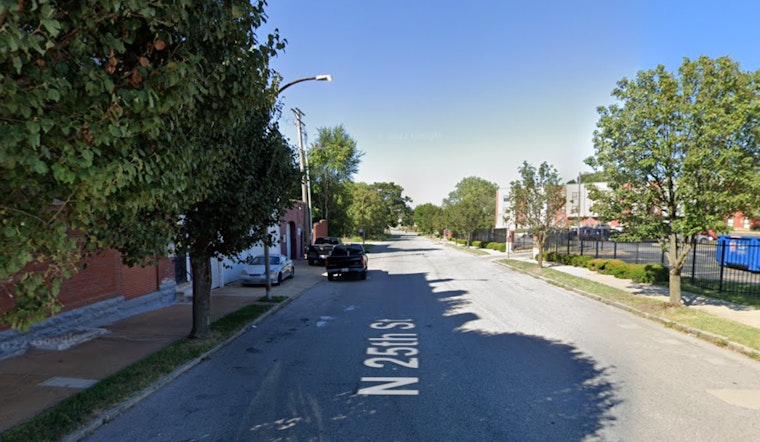
Police found Dukes unresponsive on Dec. 17, 2024, in the 3000 block of North 25th Street. The medical examiner determined he died from internal neck injuries consistent with manual strangulation. KMOV/First Alert 4 reported that, after investigators reviewed a probable-cause statement, Harley was charged with first-degree murder.
At sentencing, Dukes' relatives urged the court to recognize the scope of their loss and said the punishment should reflect that reality. As the St. Louis Post-Dispatch noted, family members left the courtroom repeating the same message: "Justice should be meaningful."
Neighbors Describe Fight The Night Before Death
Neighbors and a witness told detectives they saw Harley and Dukes arguing the night before he was found dead, according to the probable-cause statement. One witness reported that Harley admitted she had choked Dukes and said she had "messed up," a detail highlighted in coverage by KMOV/First Alert 4 when Harley was arrested in March 2025.
Case Status And What Comes Next
Harley's sentencing effectively closes the criminal case in circuit court for now, even as Dukes' family and neighbors continue to deal with the loss. Court records in the coming weeks will show whether prosecutors or the defense pursue any additional legal steps.
Friends and neighbors described Dukes as part of the fabric of the neighborhood and said those close to him are still in mourning. The sentence is final at this stage, but his relatives say a larger conversation remains about how local systems protect vulnerable residents and what meaningful justice truly looks like in cases like this.





