

























































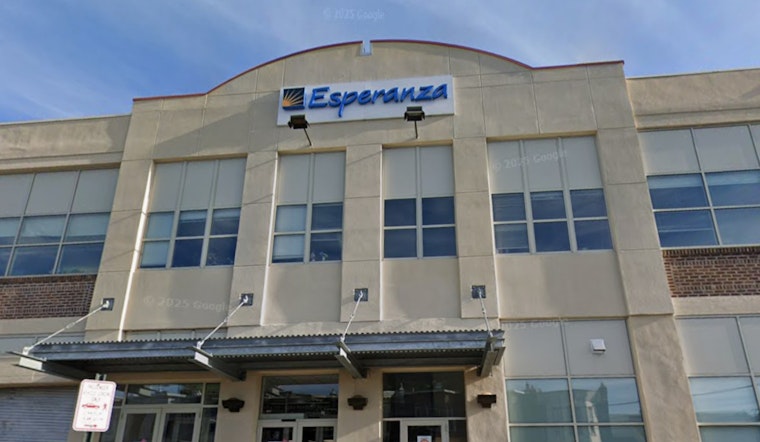
In North Philadelphia, a community land trust run by Esperanza is quietly taking on some of the neighborhood’s most neglected rowhomes and turning them into renovated, low-cost rentals. Families who were doubled-up with relatives or teetering on the edge of homelessness are moving into units with new roofs, heating systems and appliances, often for significantly less than typical market rents. The trust currently oversees roughly two dozen homes and is gearing up to grow its footprint.
As reported by Billy Penn at WHYY, Esperanza launched the Stable Affordable Rental Trust (START) in 2023, then spun off the Esperanza Community Land Trust as a separate nonprofit in 2024 to manage an expanding rental portfolio. The group shifted some existing rental properties into the trust and brought in donated homes from the Philadelphia Housing Authority for the program’s first phase, bringing the total to about 24 units across eastern North Philly.
Funding and the next phase
The trust is now in the process of buying nine more houses as it scales up. According to Radian Group, the Federal Home Loan Bank of Pittsburgh has put roughly $1.35 million behind this next round of acquisitions and rehab. The effort also appears in federal spending documents: the Congressional Record lists a $750,000 allocation for the Esperanza Stable Affordable Rental Housing Trust. Esperanza is stacking those dollars with state tax-credit funding and private grants to keep renovation and operating costs as low as possible.
A rental-first community land trust
Unlike most community land trusts that focus on homeownership, Esperanza’s START model is built around long-term rentals. The land stays in nonprofit hands while the homes are rented out at below-market rates. As described by Esperanza, the program pairs those lower rents with tenant supports like housing counseling and a matched-savings feature designed to help households build stability over time. The idea is to lock in long-term affordability in sections of the neighborhood where private investment is starting to push prices higher.
Why it matters
According to Drexel University's Nowak Metro Finance Lab, eastern North Philadelphia covers roughly five square miles and is home to about 100,000 residents. The lab’s analysis found that rents in parts of the study area climbed more than 25% in the prior five years while median household income remained very low, and that the population in the area is majority Hispanic or Latino. In that context, carving out permanently affordable homes is less a luxury and more a survival strategy.
Residents' experience
For tenants moving into START-renovated homes, the impact is immediate and tangible. One family renting a rehabbed five-bedroom house in West Kensington is paying under $1,000 a month. Another renter told Billy Penn at WHYY, “I didn't want no other house but this one.” Tenants and property managers say the combination of major repairs, including new roofs, updated systems and appliances, along with case management, has made the homes healthier and more stable environments for kids and caregivers.
Esperanza leaders say the community land trust will keep chasing donated properties, grants and partnerships in order to scale up the model. The long-term goal is to carve out a permanent stock of units that stay affordable even as the surrounding neighborhood shifts. For policymakers and housing advocates watching closely, START is serving as a test case for a rental-first land trust that blends preservation with supports tied to stability and future wealth-building.





