

























































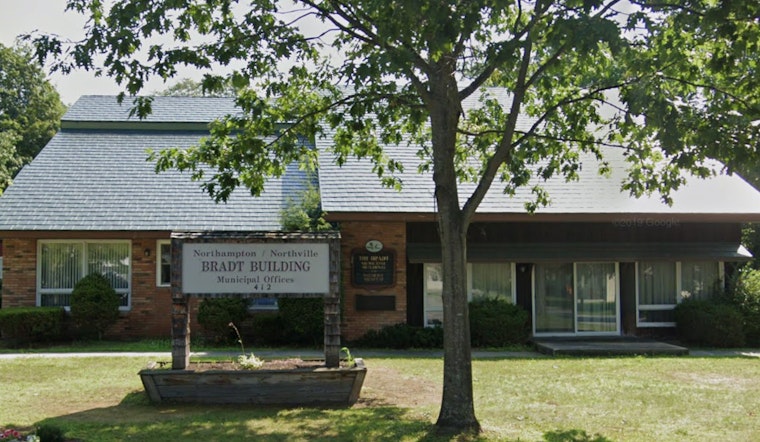
Northampton just slammed the brakes on new large-scale battery projects near Great Sacandaga Lake.
On Friday the Northampton Town Board approved a one-year environmental moratorium that pauses permitting and construction of new battery energy storage systems in the town. The temporary ban is meant to give elected officials time to review safety protocols, wetlands protections and local zoning around projects that use large lithium-ion battery banks. The move followed a packed public meeting where residents and advocates pressed the board for stronger safeguards around the lakefront community.
The moratorium, set to run 12 months and to bar new permits and construction of battery energy storage system facilities during that period, could delay work on the Carson Power facility that recently received Adirondack Park Agency approval, as reported by News10 ABC. Town board members said they wanted time to craft local rules rather than rush into permits, and several officials warned against language that could invite lawsuits. More than 100 people attended the meeting, with comments spilling into an overflow hallway.
How the Carson Power Permit Looks on Paper
The Carson Power plan approved by the Adirondack Park Agency calls for two 5-megawatt AC, four-hour battery systems within a fenced, 0.85-acre leased area at 1030 State Highway 30. The agency permit lays out mitigation measures, wetland restoration and an emergency-action plan. The permit document also requires training for local emergency responders and post-approval monitoring as conditions of the approval, as detailed in the Adirondack Park Agency. Those technical requirements are intended to reduce risk but have not quelled neighbor concerns.
Residents Cite Fire, Wetlands and Precedent
Neighbors and environmental advocates told agency and town officials they were alarmed by past battery energy storage system fires and by the site's proximity to wetland areas, and argued the permit could set a precedent for the Adirondack Park. The public opposition, including petitions with hundreds of signatures and repeated concerns about volunteer fire department capacity, was detailed by the Adirondack Explorer and summarized by the Times Union. Opponents say the company's emergency plan and the agency's conditions still leave unanswered questions about long-term risk and visibility near Route 30.
Project Record and Public Notice
The project also appears in New York's Environmental Notice Bulletin and Department of Environmental Conservation public records, which list Carson Power as the applicant, give the Adirondack Park Agency project number and identify the tax parcels at the Route 30 site. Those administrative filings show the permit's timeline and the APA comment period, documents residents flagged at the meeting, as published in the NYSDEC Environmental Notice Bulletin. The public record has become a focal point for residents asking the town for more time and technical review.
Legal Fight Likely Ahead
Opponents say they will take the fight to court. One local activist told reporters she plans to file an Article 78 challenge to the Adirondack Park Agency's approval, according to News10 ABC. An Article 78 petition asks a New York court to review an administrative agency's decision and has tight procedural deadlines; as Columbia Law School's guide explains, petitioners must show a final agency determination and usually act quickly. If filed, a successful Article 78 could undo or narrow the APA authorization, while an unsuccessful challenge would leave the permit intact and the moratorium would shape only local permitting for the next year.
The moratorium buys the town time to draft local rules, hold public hearings and consult fire and wetlands experts before any new battery energy storage system application moves through local permitting. Board members say they want to avoid language that could be easily litigated while still responding to neighbors' safety and environmental concerns. In the weeks ahead officials expect technical reviews, additional hearings and possibly legal filings that will determine whether the APA approval stands or is narrowed by the courts.





