

























































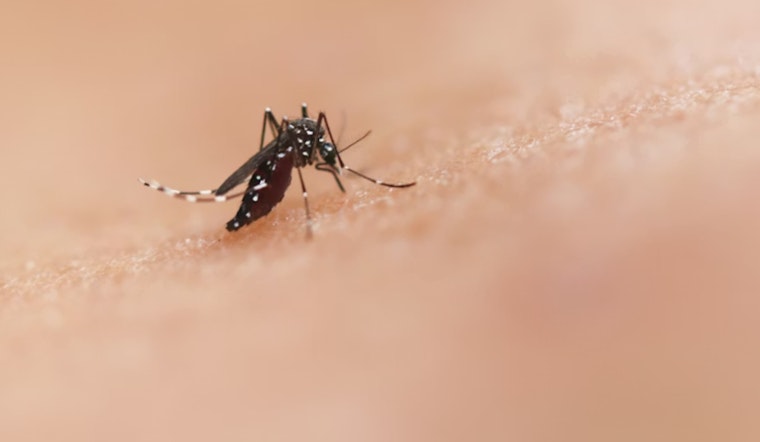
Hawaiʻi health officials say Oʻahu has logged its fourth travel-related dengue case of the year, and they are already on the ground hunting mosquitoes.
The Hawaiʻi Department of Health (DOH) confirmed Friday that the patient developed symptoms after returning from a dengue-endemic region. Officials say the risk of local spread from this case is low, but mosquito-control teams were dispatched to the surrounding area to inspect properties and knock down mosquito populations.
In a March 27 news release, the Hawaiʻi Department of Health said the latest infection is travel-related and that staff have been conducting door-to-door inspections and mosquito-reduction work in the affected neighborhood. The agency reiterated that while Aedes mosquitoes capable of spreading dengue do live in Hawaiʻi, the virus is not considered established in the islands, and current infections are confined to travelers. Clinicians and members of the public are urged to report suspected cases.
The initial word of the fourth case surfaced in coverage by the Honolulu Star-Advertiser, which reported that DOH has not disclosed the specific area of Oʻahu where the patient lives. Local reporting has underscored that all cases so far are tied to travel and that health officials are leaning hard on inspections and mosquito control to keep it that way.
When To Seek Care
According to the Hawaiʻi Department of Health, dengue symptoms can include fever, severe headache, nausea, vomiting, rash and body aches. They usually appear within about two weeks of being bitten by an infected mosquito.
DOH advises anyone returning from a dengue-endemic region to use mosquito precautions for three weeks after coming home and to get checked by a medical provider if symptoms show up within two weeks of travel. Suspected infections should be reported to the Disease Reporting Line at 808-586-4586.
How To Reduce Mosquito Breeding
It does not take much water for mosquitoes to get comfortable. Officials are asking residents to dump standing water from buckets, plant saucers, bromeliads, rain barrels and other containers, and to keep window and door screens in good shape.
The Centers for Disease Control and Prevention also recommends using an EPA-registered insect repellent and wearing long sleeves and long pants when outdoors in areas with dengue activity.
Statewide, the count now sits at four travel-related dengue cases this year, following earlier reports in February and March, with outreach and inspections continuing. Coverage from Spectrum News chronicled the earlier cases and DOH’s response. Health officials say the best defense is still basic but effective: clear out standing water, use mosquito repellent and seek prompt medical care if dengue-like symptoms appear.





