

























































In Mission Viejo, a crayon drawing has turned into a full-fledged First Amendment fight, after a federal appeals panel ruled this week that even first graders can have enforceable free speech rights at school. The decision, issued Tuesday, revives a family’s lawsuit and puts fresh pressure on how local schools handle race-related speech from very young students.
What the court said
The 9th U.S. Circuit Court of Appeals tossed out the lower court’s grant of summary judgment and held that the Tinker standard applies to speech in elementary schools, with a child’s age an important but not decisive factor. The panel said school officials must be able to show that any limit on student expression was reasonably necessary to protect other students’ safety or the school’s learning environment, then sent the case back for more fact-finding, according to the Ninth Circuit.
How the incident unfolded
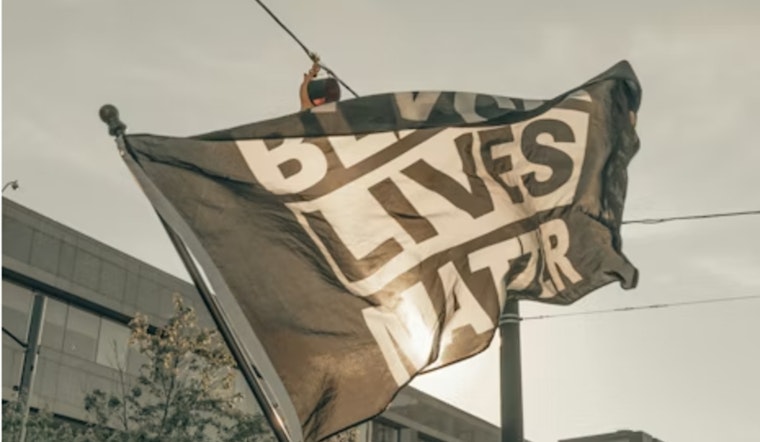
Back in 2021, after a classroom read-aloud about Dr. Martin Luther King Jr., the first grader identified in court papers as B.B. drew a picture of children holding hands and wrote “Black Lives Mater” (sic), with the words “any life” underneath. She gave the drawing to a Black classmate. The classmate’s mother complained, and school officials told B.B. that the drawing was inappropriate, required her to apologize, and, the lawsuit claims, kept her from recess and from handing out drawings to other students, as reported by Courthouse News Service.
Legal team and reaction
Pacific Legal Foundation is representing B.B. without charge and quickly celebrated the ruling. Senior attorney Caleb Trotter said, “The Constitution protects every student’s right to free expression,” describing the decision as an acknowledgment that even very young students retain speech protections, according to Pacific Legal Foundation.
Broader legal stakes
The panel’s opinion lines up with a run of recent appellate decisions that apply Tinker to younger students and make clear that age alone does not wipe out a child’s constitutional rights. That stance raises the bar for principals and district officials across the Ninth Circuit who want to discipline classroom speech, since they will need a solid factual record to justify punishment, Education Week reports.
What happens next
The appeals court has sent the case back to the U.S. District Court for the Central District of California, finding that key facts are still disputed. Those include whether B.B. was actually punished and whether the school’s response was reasonably necessary to protect students or the learning environment. The district judge will have to sort out those questions in later proceedings, as summarized on Justia.
Local response
Attorneys for Principal Jesus Becerra and the Capistrano Unified School District have not responded to requests for comment, according to Courthouse News Service. The family says the decision backs up their view that the school overreacted to an innocent gesture and that the remand gives them a real chance to prove their claims in court.
Why it matters here
For parents and educators across Orange County, the ruling is a pointed reminder that constitutional law does not wait until middle school and that administrators need a well-documented justification before disciplining even a first grader for speech. Pacific Legal Foundation notes that it represents the family pro bono and says the remand means a trial judge, not school officials, will now weigh the disputed facts at the district court level, according to Pacific Legal Foundation.





