

























































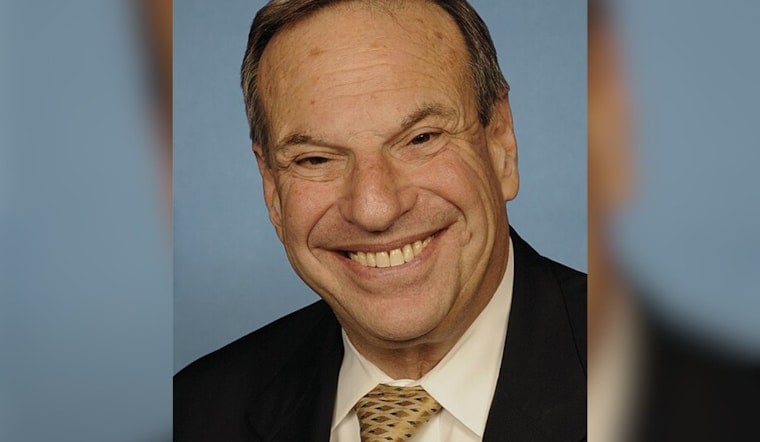
Bob Filner, the polarizing San Diego politician who spent nearly two decades in Congress before a brief, scandal-marred stint as mayor, has died. He was 82 and passed away on April 20 while living in an assisted-living facility, according to family notices. Filner's record, ranging from civil-rights activism and veterans' advocacy to a dramatic fall from public life amid sexual-harassment allegations, leaves a conflicted legacy across the region.
According to The Associated Press, Filner died April 20 with his children at his side while residing in a Costa Mesa assisted-living home. East County Magazine's obituary and other local reports likewise confirmed the date and offered remembrances but did not list a cause of death.
From Freedom Rider to Longtime Congressman
Filner's political life began as a student activist, when he joined the Freedom Rides in 1961 and spent two months jailed in Mississippi. He went on to earn advanced degrees in history and taught at San Diego State University for more than two decades before jumping into electoral politics. Elected to the U.S. House in 1992, he served 10 terms and eventually chaired the House Veterans' Affairs Committee. His work in Congress included helping secure compensation for Filipino World War II veterans, a legislative achievement that became a key part of his record, as reported by The Washington Post.
Mayor's Office And Resignation
Filner won the San Diego mayor's race in 2012, a victory that briefly made him the face of a new political era at City Hall. Less than a year later, in August 2013, he resigned amid a torrent of sexual-harassment allegations from more than a dozen women. He later pleaded guilty to a felony count of false imprisonment and two misdemeanor battery charges and was sentenced to three months of house arrest and three years of probation. The city paid out settlements totaling more than $1 million to resolve some of the claims, effectively ending his political career, as reported by Voice of San Diego.
How The Scandal Reshaped City Rules
The fallout from Filner's mayoralty pushed local leaders to rethink how San Diego handles wayward elected officials. In the years that followed, reforms and ballot measures sought to give the City Council more tools to suspend or force removal of officials accused of serious misconduct. City officials debated and later advanced proposals in 2016 to expand removal procedures, a move explicitly linked to the Filner episode, and advocates say the scandal changed how the city thinks about accountability. Local reporting and analysis note that the saga fed into charter review changes and a wider public conversation about workplace conduct at City Hall, as detailed by KPBS.
Filner is survived by two children, a brother and two grandchildren, and by two former wives, according to family notices. For many in San Diego, his death has reopened conversations about the line between political accomplishment and personal misconduct, and about how municipal institutions respond when leaders abuse power. Journalists, former colleagues and some of his accusers offered varied remembrances in local coverage after his death, underlining a legacy that remains contested across the region, according to The Washington Post.





