

























































Ohio’s outdoor recreation scene is not just about kayaks and campfires anymore. It is a full-blown economic force, generating roughly $20 billion in 2024 and supporting more than 150,000 workers across the state. From boat ramps to backcountry trails, outdoor amenities are now serious business for local jobs, wages and tourism dollars.
The U.S. Bureau of Economic Analysis’ annual Outdoor Recreation Satellite Account puts Ohio’s outdoor recreation value added at about $20.08 billion in 2024, accounting for roughly 2.2% of the state’s GDP. Nationally, outdoor recreation reached $696.7 billion in value added that year, according to the Bureau of Economic Analysis.
At the state level, the Outdoor Recreation Roundtable’s fact sheet tracks nearly the same figures, listing about $20.1 billion in economic impact for Ohio in 2024 and about 153,614 jobs tied to the industry. Advocates for trails, campgrounds and river access routinely cite those numbers as they push for upgrades designed to pull in more visitor spending, especially in rural counties that host destination lakes and trail systems.
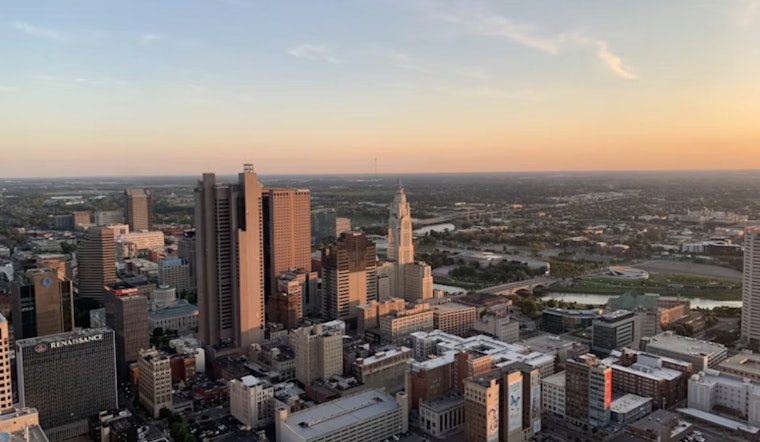
Columbus Is Building To Capture The Growth
Central Ohio planners clearly see which way the river is flowing. Columbus and Franklin County are set to celebrate the grand opening of Great Southern Metro Park on April 1, as listed by Metro Parks, and local coverage reports that Bank Run Metro Park near Lockbourne is scheduled to debut on May 16. Both parks are being built with visitors in mind, with event-ready lawns, reservable lodges and 5K-length trails engineered to host festivals and weekend crowds.
Officials point to a 2018 levy and targeted capital work as the financial backbone that made this latest expansion wave possible. The hope is straightforward: turn new park amenities into steady streams of hotel stays, restaurant tabs and event bookings.
Trails Are Returning Dollars To Small Towns
The boom is not confined to Columbus. Rural Ohio has its own flagship project in the Baileys Trail System in Athens County, built in partnership with local governments and the Wayne National Forest. Project materials and an impact analysis hosted by the Outdoor Recreation Council of Appalachia and partners report early multimillion dollar gains linked to trail visitation, with local businesses seeing a noticeable lift as riders and hikers pass through.
The Baileys network has drawn enough attention that it was featured as a case study at a statewide conference the Outdoor Recreation Council of Appalachia hosted in 2025. The takeaway for small towns was clear: with the right trail infrastructure, even remote communities can carve out a slice of Ohio’s growing outdoor economy.
Why Officials Are Doubling Down
All of this activity is as political as it is recreational. In his 2022 State of the State address, Gov. Mike DeWine told lawmakers, “Our dream is for Ohio to have the best state park system in the country,” a line later cited in regional planning coverage. Local reporting also notes that the 2025-26 capital budget set aside nearly $300 million aimed at state parks, a signal that lawmakers and park agencies intend to turn those BEA headline figures into tangible returns for communities.
Put together, the data and the on-the-ground projects show that outdoor recreation in Ohio is no longer framed only as a quality-of-life perk. It is now treated as a core economic development strategy for both big cities and rural counties. With clearer numbers from federal analysts, state leaders say they have a better way to measure how every new trail, boat launch and event-friendly park space contributes to the next round of capital investments.



