

























































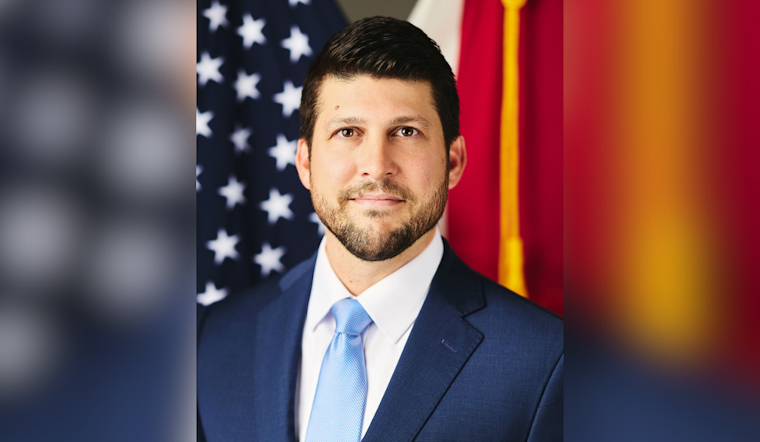
Florida Attorney General James Uthmeier used an Orlando news conference to spotlight what he called a sweeping statewide crackdown on people accused of trading or possessing child sexual abuse material, folding two new Central Florida cases into a larger push that he says is nowhere near done.
Uthmeier frames takedown as statewide push
Speaking to reporters, Uthmeier said the initiative has grown into one of Florida’s biggest enforcement campaigns, with roughly 1,400 arrests logged since 2025. He warned that predators are increasingly hiding in plain sight on mainstream social media apps, where they can reach kids with just a few taps.
Uthmeier said he is giving social media companies a short window to prove they are blocking underage accounts and cracking down on harmful content before his office moves to tougher action, according to FOX 35 Orlando.
Leesburg arrest: FDLE says cybertip led detectives to files
In one of the newly highlighted cases, the Florida Department of Law Enforcement says agents arrested 20-year-old Devon James Huart of Leesburg after a cybertip from the National Center for Missing and Exploited Children led them to his home on January 30. Investigators say they seized multiple electronic devices during the search.
According to the FDLE, Huart has been charged with 10 counts of possession of child sexual abuse material, and the Attorney General’s Office is prosecuting the case. Details were outlined by the Florida Department of Law Enforcement.
Pasco County case: New Port Richey man sentenced to 25 years
Uthmeier also pointed to a Pasco County case that ended with a 25-year prison sentence for 52-year-old Michael Ambrosio of New Port Richey. Officials say Ambrosio pleaded and admitted to multiple counts involving child sexual abuse material, a case the attorney general labeled among the worst his investigators had seen.
In the earlier investigation, authorities traced hundreds of abusive files to Ambrosio’s IP addresses and reported that agents “located files containing the sexual abuse of children and infants.” According to a previous Florida Department of Law Enforcement notice.
How investigators say the cases were built
Officials say many of these prosecutions started with cybertips funneled from the National Center for Missing and Exploited Children to Internet Crimes Against Children task forces. From there, investigators used network forensics and local search warrants to track alleged uploads back to specific suspects.
Prosecutors say the work relies on FDLE cyber teams teaming up with local law enforcement and federal partners to both identify exploitative material and target the people accused of trading it. As reported by The Floridian.
What this means for platforms and parents
Uthmeier used the Orlando event to dial up pressure on social media platforms, saying his office will give companies a narrow compliance window before turning to legal remedies if they do not act. He also highlighted recent state law changes aimed at limiting very young children’s access to social media, describing those measures as part of a broader shield for kids.
Coverage of Uthmeier’s comments, the enforcement timeline and the policy backdrop has been summarized by Yahoo.
Practical safety steps and prosecutorial notes
State prosecutors are urging parents not to wait for the next press conference. They recommend checking children’s devices, reviewing friend lists, turning on parental controls and, most importantly, talking with kids about online boundaries and how to report suspicious messages.
Officials stressed that sharing or possessing child sexual abuse material is a serious felony under Florida law, with long prison terms and lifetime collateral consequences for those convicted. Reporting and guidance were detailed in local coverage and the Attorney General’s release; see The Floridian for more.
Legal implications
Charges tied to possession, distribution, or promotion of child sexual abuse material carry some of the toughest penalties on the books in Florida, and officials say recent cases have ended with lengthy prison terms. At the Orlando conference, state leaders reiterated that convictions can mean decades behind bars, along with other severe sanctions.
Reporters following the crackdown have catalogued the sentencing ranges and policy context; see Yahoo and court filings cited by state agencies.
Uthmeier closed out the briefing by vowing that the state will keep pursuing people who trade and traffic exploitative material and will continue coordinating with local and federal partners to bring those cases to prosecutors. Law enforcement is asking anyone with information about suspected online exploitation to contact local police or the National Center for Missing and Exploited Children.





.jpg)