

























































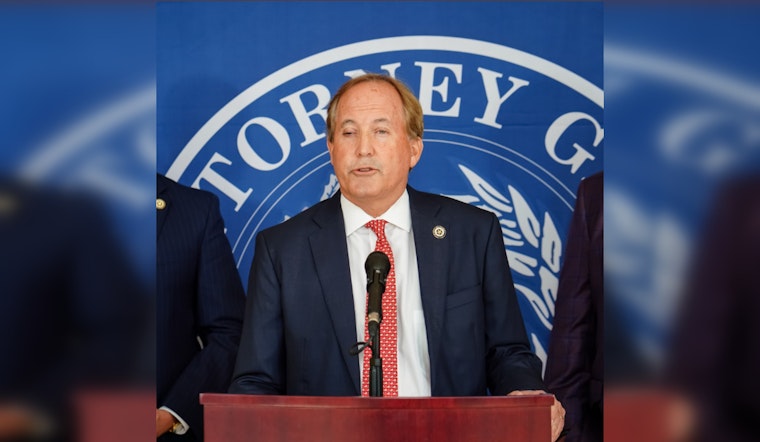
Texas Attorney General Ken Paxton is zeroing in on suspected H‑1B visa abuse, launching a civil investigation into three North Texas firms that state investigators say may be little more than “ghost” or paper companies sponsoring foreign workers. The move comes alongside a statewide pause on new H‑1B petitions at state agencies and a streak of viral reports about odd addresses and empty worksites. Paxton’s office says the probe is in its early stages and that no criminal charges have been publicly filed.
In a Jan. 28 statement, the Texas Attorney General’s Office said it issued Civil Investigative Demands to three North Texas companies and is seeking employee lists, financial records, and internal communications to see whether advertised services and worksites line up with real business activity. According to the office, reports suggest some firms relied on sham websites and listed residential properties or unfinished buildings as offices. Paxton warned that anyone who “attempt[s] to scam the H‑1B visa program” could face enforcement.
What investigators are asking for
State investigators have demanded documents identifying all employees, descriptions of products or services, financial statements, and internal communications in order to trace whether visa sponsorships matched genuine operations, as reported by Newsweek. Civil investigative demands are typically a pre-suit tool to gather evidence, and officials say the requested records will help determine whether civil action or criminal referrals are warranted. The attorney general’s announcement said pieces of the public record and online reporting pointed to irregularities serious enough to justify the demands.
State policy backdrop
Gov. Greg Abbott has already ordered state agencies and public universities to freeze new H‑1B petitions and to report current H‑1B sponsorships and recruitment efforts, a step outlined in a Jan. 27 directive from his office. The Office of the Texas Governor said the freeze will stay in place through the end of the 90th legislative session unless the Texas Workforce Commission signs off on exceptions. State leaders have framed the move as part of an effort to ensure that taxpayer‑funded jobs go to qualified Texans first.
How the case surfaced online
The attorney general’s release said the probe includes “entities identified in videos that were widely circulated online,” and conservative commentators who went out to visit listed business addresses helped amplify the story. As detailed by The Blaze and local coverage, some on‑the‑ground videos showed empty storefronts, small residential properties, and vacant rooms at addresses that appeared on company records. According to Paxton’s office, that online spotlight is what pushed state officials to move ahead with formal records requests.
Local reaction in North Texas
The probe has quickly spilled into civic life. A Feb. 3 Frisco City Council meeting turned heated after social media posts framed the issue as a rapid demographic shift, with speakers on both sides arguing over jobs, community change, and basic fairness, The Dallas Morning News reported. Local leaders and Indian‑American residents urged people not to confuse potential immigration policy problems with broad stereotyping, while critics called for tougher state enforcement to prevent fraud. The clash highlighted how a technical enforcement action can quickly morph into a neighborhood‑level fight about identity and opportunity.
What comes next
The investigation remains civil for now. Authorities have not named the companies under scrutiny, and no criminal charges have been announced, according to Austin South Asian. Paxton’s office will review the documents it receives and then decide whether to pursue civil penalties, deceptive‑trade‑practice claims, or referrals for criminal investigation. For employers that receive CIDs, legal counsel and meticulous documentation will be central as the review unfolds.
Legal note
Civil Investigative Demands are a standard regulatory device that allows agencies to compel documents and sworn responses before they commit to formal litigation. Courts often treat them like administrative subpoenas that help regulators and prosecutors decide whether further action is justified, legal scholars note. Michigan Law Review explains that such demands let regulators quickly evaluate whether there is a solid basis to move ahead with suits or enforcement actions.
For now, the story is mostly procedural. State investigators have the records, communities are debating the stakes, and Paxton has signaled that he intends to follow the paper trail wherever it leads. Any new filings, enforcement notices, or local political fireworks will decide just how big this H‑1B fight becomes.



