

























































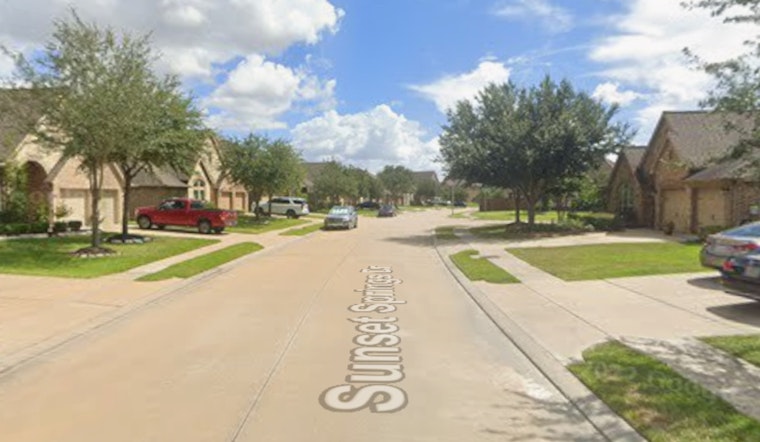
A 7-year-old Pearland girl with autism was found dead in a neighborhood retention pond Wednesday after an Amber Alert and an hours-long search involving police, volunteers and dive teams. Authorities deployed K-9 units, drones and the Houston Police dive team. The loss has neighbors and advocates urgently renewing calls for tougher barriers around open water and more detailed safety plans for children on the autism spectrum who are prone to wandering.
What police say
Pearland police identified the child as 7-year-old Skylar Hopson and said she walked away from her home in the Shadow Creek Ranch area Wednesday morning. Officers followed K-9 tracks and signals from her electronic tablet to a nearby retention pond, where a Houston dive team recovered her body that afternoon. Those details were provided by the department and reported by the Houston Chronicle.
Advocates call for extra protections
Advocates told local reporters that this case shows, in painful detail, why children who elope need extra layers of protection. An advocate interviewed by FOX 26 Houston pointed to steps such as alarms on doors and gates, secure pool fencing, community alert systems and specialized swim lessons as tools that can help prevent similar tragedies. Those conversations are fueling fresh outreach in neighborhoods that have retention ponds and other open bodies of water.
Why water is such a danger
Public-health research has long identified drowning as a leading cause of death for children on the autism spectrum. A 2017 analysis highlighted by Columbia University’s Mailman School of Public Health reported that the drowning risk for autistic children was roughly 160 times higher than for children in the general population. The underlying peer-reviewed analysis appeared in the American Journal of Public Health and examined injury deaths among people with autism, with drowning emerging as a major factor. Public-health experts have pointed to wandering and a strong attraction to water as key reasons for that risk.
Practical steps families and communities can take
Experts recommend a layered safety strategy: secure exterior doors, install self-closing and self-latching gates around pools, add alarms on doors and pool access points, and consider wearable location devices for children who are known to wander. Neuro-affirming swim instruction and closely supervised lessons can further reduce risk, while community-based alert programs help organize quick search efforts when a child goes missing. Organizations such as the National Autism Association compile water-safety tips and resources for families, schools and caregivers.
Pearland response and next steps
Pearland police publicly thanked local agencies and residents who joined the search, said they were devastated by the outcome and asked the public to respect the family’s privacy while the investigation continues. Officials also said there was no indication of an abduction and urged anyone who has neighborhood surveillance footage that could assist investigators to come forward. Those statements and the broader community response were reported by ABC13.




