

























































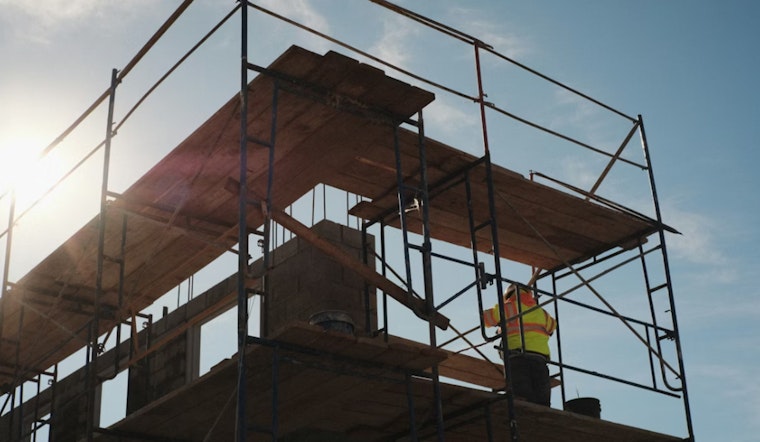
Penn and Drexel are easing off the accelerator in University City, shifting from splashy new towers to the far less glamorous world of repairs, consolidation and long-postponed maintenance. Leaders at both schools say the pivot is all about numbers: fewer traditional-age students in the pipeline and a tougher enrollment outlook. That change is poised to reshape how West Philadelphia grows, and it is likely to put future campus land sales and building plans under a brighter neighborhood spotlight.
What university leaders are saying
At a Philadelphia education real estate conference on March 3, Drexel planning chief Anthony Bracali did not sugarcoat it. “There’s just fewer students going to school,” he told attendees, explaining that Drexel is concentrating on resizing its footprint and tackling deferred maintenance instead of chasing nonstop expansion. Penn’s Anne Papageorge described a similar reset, with more money flowing into existing labs and classrooms to keep them competitive rather than into brand-new buildings. Those remarks were reported by Bisnow.
The numbers behind the pause
The enrollment squeeze is not just campus gossip. The Western Interstate Commission for Higher Education projects that the total number of U.S. high school graduates will peak in 2025, then drop about 13% through 2041, which means a smaller pool of traditional college applicants for years to come. That national trend has become a key variable as universities decide whether to build more space or focus on preserving what they already have, according to WICHE.
Drexel's course correction
Drexel’s own construction updates show a campus trying to land the planes already in the air while avoiding too many new takeoffs. The university is finishing several near-term projects, including facade work on the Academic Building, the planned relocation of some College of Medicine research functions to 3201 Cuthbert, and partner work at Schuylkill Yards. At the same time, leaders say they are trimming leased office space and consolidating operations. The school’s February facilities update presents this stretch as a period of maintenance and renewal, not a fresh expansion wave, as outlined by Drexel University.
Penn focuses on upkeep
Penn is singing much the same tune. Its FY25 sustainability and facilities reporting leans heavily on large-scale renovation, energy upgrades and general upkeep across Penn-owned properties instead of a constant push into new territory. Facilities leaders frame that strategy as a way to keep existing labs, classrooms and research space attractive to faculty and students in a more competitive market. Those priorities are laid out in the university’s FY25 progress report, as reported by Penn Today.
City oversight and community reaction
City Hall has already stepped in to make sure big campus moves do not fly under the radar. In December 2025, City Council approved a University-Community Overlay District that builds Planning Commission and neighborhood review into major campus land sales and other significant changes, and the mayor took no action on the ordinance in January 2026, according to the city’s Legistar docket. The policy followed controversy over what to do with former University of the Sciences properties and drew criticism from neighborhood leaders and Councilmember Jamie Gauthier, as reported by Bisnow. The overlay, which the city file labels the "/UCO, University-Community Overlay District," adds an extra layer of review when institutions look to sell large tracts of land (City of Philadelphia Legistar).
Campus sales crystallize the tension
Recent moves by smaller institutions have put all of this in sharp relief. Saint Joseph’s decision to sell multiple former University of the Sciences parcels to the Belmont Neighborhood Educational Alliance, along with related leaseback arrangements, highlighted the financial strain on campus balance sheets and the neighborhood stakes when institutional land changes hands. Community groups and council offices questioned how quickly that deal came together and how transparent the process was, and local reporting walked through the timeline and reaction; see the community coverage in West Philly Local.
Private developers still placing bets
While the universities tap the brakes, private capital is still very much in the game. Life-sciences landlords and other investors continue to back large projects in University City, which market coverage has described as one of the country’s fastest-growing life-sciences submarkets, as reported by The Inquirer. Recent deal reporting shows firms and real estate investment trusts are still underwriting lab and mixed-use developments in the neighborhood, according to The Real Deal. The result is an unusual split-screen: universities tightening their belts while developers keep building.
What comes next
In the near term, University City is likely to see fewer brand-new campus towers and more retrofits, selective land sales and longer, more public negotiations whenever a big property transfer is on the table. Developers, major donors and city officials will still help shape the skyline, but demographic math and the new overlay review process mean maintenance and optimization have, for now, beaten out a build-at-all-costs mindset. Taken together, recent statements and public records point to a University City market in transition.



