

























































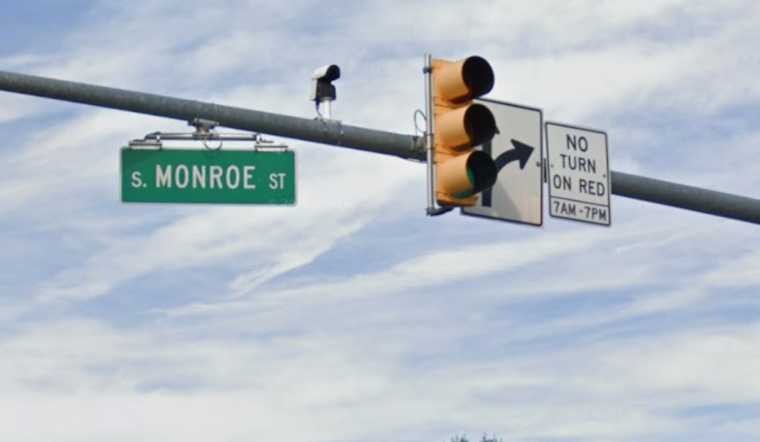
Three years after buying a condemned rowhouse on Monroe Street in West Baltimore, developer Devante Teel says he still has not been able to pull a permit to turn the property into a restaurant and lounge. He estimates he has already sunk roughly $100,000 into the project, yet the house is still officially condemned, sitting as a vacant and deteriorating shell on the block instead of the nightlife spot he planned.
Teel bought the building in 2023 for about $32,500. He says zoning and intake delays dragged on so long that he had to renew approvals two years later, restarting the clock instead of moving ahead with construction. According to Teel, the city issued a 2024 violation ordering him to secure openings and clear trash. He says he complied, but still never received an occupancy permit. As reported by Fox Baltimore, Teel puts his total costs so far at roughly $100,000.
Bmore F.A.S.T. and the permit czar
Inside City Hall, the response to stories like Teel's is Mayor Brandon Scott's Bmore F.A.S.T. initiative, which lays out more than 30 recommendations, from an e-permits rollout to PermitStat performance meetings, and creates a central Director of Permitting and Development Services to coordinate approvals and clear bottlenecks. The initiative is tied to a $3 billion, 15-year strategy to rehabilitate tens of thousands of vacant properties, and it treats permit reform as a prerequisite to getting construction dollars into neighborhoods instead of being stuck in processing queues.
As outlined on the city's Bmore F.A.S.T. page, the plan aims to modernize technology, publish standard review times, and expand customer access so that projects move faster and with fewer surprises for builders and homeowners. City of Baltimore
City data, council skepticism
The administration says its internal numbers show real progress. At a recent City Council hearing, permit leaders reported sharp drops in intake backlogs and a quicker residential turnaround, with median issuance times for home projects falling significantly. On paper, they say, the system is moving more smoothly.
Not everyone is convinced. Council President Zeke Cohen warned that the rollout "is simply unacceptable" for residents and builders who say the new portal keeps tripping them up. Local expediter Will Bauer told councilmembers that it is nearly impossible to do everything online in the new Accela system, a problem for applicants who were used to walking their paperwork through in person. The permit office has also scaled back walk-in assistance on Wednesdays, a change the mayor's office says is meant to free up time for staff training, according to Fox Baltimore.
Vacant stock and the stakes
Baltimore is still staring down a large inventory of vacant properties, about 12,000 structures, and Bmore F.A.S.T. ties permit reform directly to the broader effort to either rehab or demolish that blight over the next 15 years. Faster and more predictable permits are being sold as a way to cut holding costs and lure private investment back into neighborhoods where rehab jobs now stall out before they start.
According to the city's consolidated plan, that inventory of roughly 12,000 vacant properties is a key reason the administration argues that fixing permitting is central to the $3 billion neighborhood strategy.
For Teel and other would-be investors, the bottom line is simple: months of waiting can translate into six-figure carrying costs and a real temptation to take projects to nearby jurisdictions with smoother permitting. That concern, along with the gap between the city's performance claims and what builders say they experience at the counter and online, is exactly the policy problem Bmore F.A.S.T. is supposed to solve, even as local entrepreneurs like Teel keep watching their timelines and budgets stretch.





