

























































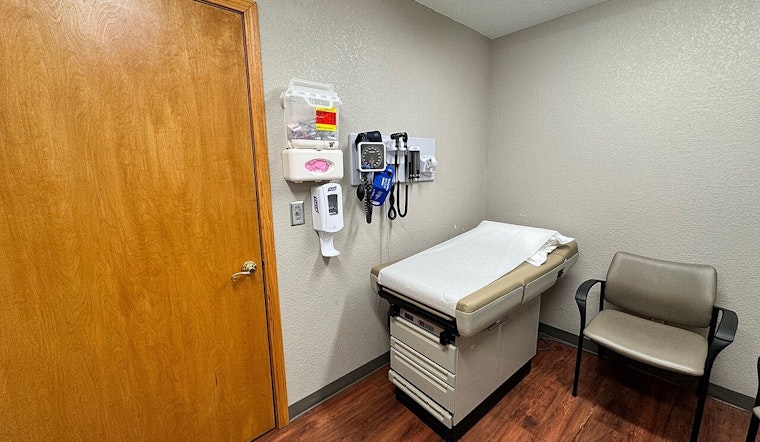
Philadelphia’s medical office market, long one of the city’s most dependable corners of commercial real estate, is finally starting to show some wobble. Landlords and brokers are reporting rising vacancies, fewer big-ticket leases, and slower rent growth in parts of the region. For owners who have treated medical tenants as a safe harbor from the broader office slump, the shift is adding an unwelcome dose of uncertainty.
The anecdotes line up with the data. On March 26, 2026, CoStar reported that Philadelphia’s medical office market had “entered a cooling period,” marked by reduced demand, higher vacancy, and decelerating rent growth. As reported by CoStar, brokers are closing fewer large leases and average deal sizes have shrunk, signaling a clear transition for what had been a red-hot niche.
Consolidation and closures reshaping demand
Part of the pullback traces back to consolidation and closures among local health systems, most visibly the spring 2025 shutdowns and bankruptcy of Prospect Medical’s Crozer hospitals. Those moves have reshuffled outpatient footprints and left some older medical buildings without their usual roster of tenants. The Philadelphia Inquirer chronicled the Crozer closures and the auctioning of related properties, a disruption that continues to send ripples through Delaware County and nearby suburbs. With that backdrop, some health systems are thinking twice before signing new leases or greenlighting expansions.
Where demand is holding up
Not every pocket of the market is softening. Newly built, transit-friendly outpatient campuses are still pulling in tenants. The Drexeline Medical Office Building at 5100 State Road in Drexel Hill, a 60,000-square-foot project, opened fully leased to Children’s Hospital of Philadelphia and Delaware County Human Services, according to developer MCB Science + Health. Deals like that suggest modern, well-located medical office buildings can still attract both tenants and investors even as the broader market cools.
Investors are chasing quality
Institutional research indicates the fundamentals are not falling apart so much as splitting into winners and also-rans. A national report from Institutional Property Advisors finds medical office completions are on track to land well below the decade average, while investors increasingly favor credit-grade, well-located assets and smaller transactions under $10 million. Colliers notes that Philadelphia delivered among the most new medical space in 2024, a construction surge that has changed the local supply picture.
For landlords, the immediate playbook is all about working through lease expirations, upgrading older buildings, and pitching the flexible, efficient floor plans that health systems now expect. The current soft patch may prove temporary, but owners with newer space near hospitals or transit are the most likely to sidestep the worst of the fallout. The next few quarters of leasing data will tell the story of whether higher vacancy is a blip or the start of a more prolonged reset.





