

























































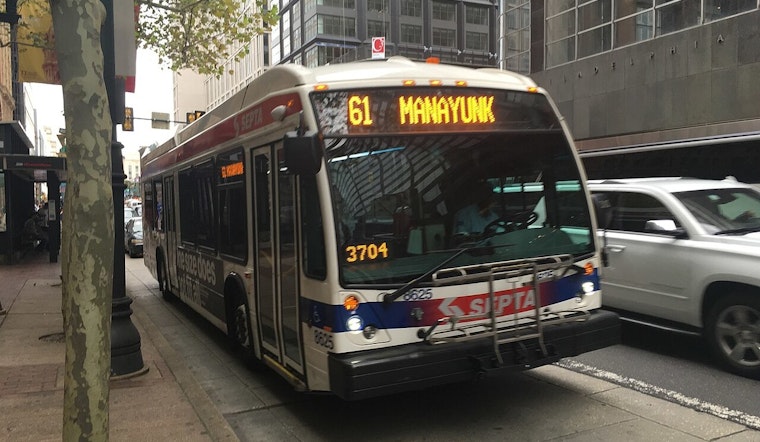
In Philadelphia, you barely have time to sit down before the bus is pulling up to the next stop. New analyses show SEPTA buses stop closer together than in any other major U.S. system, a pattern that puts service practically at residents’ doorsteps but also makes trips slower, less reliable and more expensive to run.
What the data shows
A 2021 stop-spacing dataset covering 43 transit agencies, compiled in Findings and analyzed by Works in Progress, puts Philadelphia at the packed end of the national spectrum. Across the full sample, the researchers found an average distance of roughly 1,026 feet between stops, which already reflects how concentrated stops tend to be in older U.S. transit networks.
How Philly compares
SEPTA’s buses break from even that tight norm. Median stop spacing in Philadelphia is about 564 feet, closer together than in Pittsburgh at 623 feet and Chicago at 673 feet, according to Axios Philadelphia. On heavily served local routes, that can work out to as many as eight stops per mile, a setup planners say drags down in-vehicle speeds and complicates scheduling.
Why spacing matters
Transit planners frame stop spacing as a classic tradeoff. Tighter spacing means more people are close to a bus stop, but it also means more time spent pulling in and out, boarding and exiting, and getting stuck at traffic signals. Works in Progress points to pilots in San Francisco and Vancouver where removing some stops led to measurable gains in travel times, with the idea that any time savings can be reinvested in more frequent service or better amenities at remaining stops.
What SEPTA is doing
SEPTA says it plans to roll out a new, staged bus network between fall 2026 and fall 2027 to simplify routes, boost frequency and improve reliability, according to SEPTA. The authority has also painted red bus-only lanes and run a camera-assisted pilot to document illegal parking that clogs bus lanes and curb space. Those steps have already improved bus speeds on Market and JFK boulevards, according to an evaluation from SEPTA.
Political reality and next steps
Adjusting stops on paper is one thing; moving them on the street is another. Efforts to consolidate or remove stops often collide with rider concerns about convenience and accessibility. In Pittsburgh, a 2019 attempt at stop consolidation was largely abandoned after rider opposition, Axios reported. That history is part of why SEPTA is taking a phased approach and scheduling community meetings as it advances its redesign.
What riders should expect
Riders can look for phased changes and advance maps from SEPTA later this year as the agency works through its coverage-versus-speed balancing act. How many stops stay, move or disappear will shape what the new network feels like at street level. For a local rundown of the analysis, see coverage from PHILADELPHIA.Today.





