

























































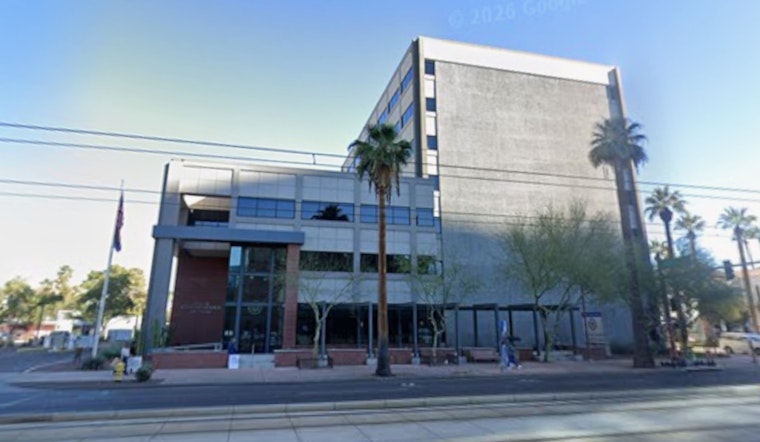
The Arizona Supreme Court has signed off on a warrant that sets Leroy Dean McGill’s execution for May 20, 2026, moving one of the state’s longest running capital cases toward its final chapter. McGill was convicted in 2004 after a July 2002 gasoline attack in a Phoenix apartment that killed Charles Perez and left Nova Banta with life‑altering burns.
As reported by ABC15 Arizona, the state asked the justices for a warrant, and the court responded by fixing the May 20 execution date. The U.S. Supreme Court denied McGill’s final petition for a writ of certiorari on Nov. 14, 2022, according to the docket on the U.S. Supreme Court website.
How the Court Pushed the Case Ahead
An Arizona Supreme Court order filed Jan. 16 set an unusually brisk schedule and laid out the steps the court would take if it granted the state’s request. The order required prosecutors to file their motion by March 6 and noted that the court "anticipates a conference date of March 26, 2026, with issuance of a Warrant of Execution to follow in due course, if the motion is granted." The Arizona Supreme Court also told the Department of Corrections to arrange for defense lawyers to meet with McGill so he could keep up with the new deadlines.
The Attack and the Conviction
Court records and appellate rulings recount that on July 13, 2002, McGill walked into a Phoenix duplex, doused Charles Perez and Nova Banta with gasoline and set them on fire; Perez later died and Banta survived with severe burns. A jury convicted McGill in 2004 of first‑degree murder, attempted first‑degree murder, arson and endangerment, and it found multiple aggravating factors that resulted in a death sentence, as detailed in the Ninth Circuit opinion.
Execution Protocol Under the Microscope
The case is moving forward while Arizona’s execution machinery is under renewed scrutiny. Recent executions and a subsequent autopsy have raised fresh questions about how lethal‑injection drugs are mixed and administered. The Death Penalty Information Center, which tracks capital punishment developments across the country, has noted the May 20 date and highlighted concerns about whether current protocols and drug testing provide adequate safeguards.
What Happens Next
McGill’s defense team has asked the court for more time, arguing that a spring 2025 cyberattack on the Federal Public Defender’s Office encrypted and erased years of casework and crippled their ability to handle end‑stage preparation. Those arguments appear in filings the defense submitted to the Arizona Supreme Court. The scheduling order gives the defense firm deadlines to respond and instructs ADCRR to facilitate legal visits; the defense’s reply and the state’s filings are set to play out through late March, and the court paperwork spells out that timeline in detail.
For now, the May 20 date remains on the docket, even as the calendar leaves room for last‑minute legal challenges, administrative steps and possible clemency petitions that could alter the outcome. Families of the victims, civil‑rights advocates and death‑penalty opponents are watching closely to see how the next few weeks unfold.





