

























































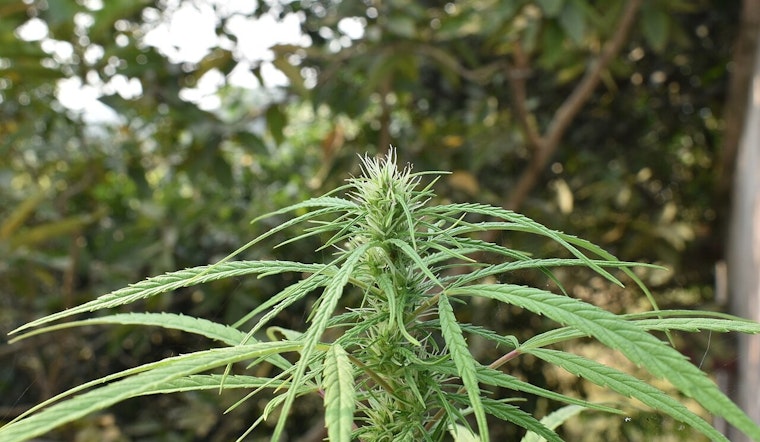
A Pine City man is now at the center of a high-dollar tax case after state investigators say he quietly ran a home-based cannabis store called Deca AI, skipped the licensing process, and failed to report more than $1.9 million in sales and use tax. The new tax charges stack on top of an earlier drug and cultivation probe, pulling alleged tax evasion into a wider narcotics investigation that triggered multiple search warrants this winter.
According to WJON, the Minnesota Department of Revenue has charged Alan Mosio with felony counts of failing to file sales and use tax returns and willfully failing to pay sales and use tax. The complaint reviewed by investigators says Revenue auditors concluded Mosio did not file required sales-tax returns for cannabis product sales and that the bill for tax, penalties, and interest now tops $1.9 million. WJON also reports that each felony count carries a maximum penalty of five years in prison and a $10,000 fine.
Local coverage from WCMP details how the case shifted from a drug investigation into a tax case. Task-force agents executed search warrants in January and say they uncovered what looked like a storefront-style setup inside the property, along with industrial equipment and large amounts of THC products. WCMP reports that the January searches turned up hundreds of pounds of marijuana, concentrates, psilocybin products, cultivation gear, and cash, and that Mosio was taken into custody on existing warrants as agents moved in.
Legal implications
Under Minnesota law, willfully failing to file or pay required taxes can be charged as a felony. The statute spells out criminal penalties for attempts to evade or defeat a tax by skipping returns or payments, and outlines how repeated failures can escalate into criminal exposure. The relevant provisions are laid out in the Minnesota Statutes, which frame how tax evasion cases are built and prosecuted.
The East Central Drug and Violent Offender Task Force confirmed with the Minnesota Office of Cannabis Management that Mosio did not hold a license to cultivate or sell cannabis, according to WJON. That alleged lack of licensing is a key detail in the complaint, which links the felony tax counts to unreported retail sales of cannabis products.
Mosio is scheduled to appear in court on April 6, local reporting says. Prosecutors and the Department of Revenue have not offered public comment in the initial coverage, leaving the criminal complaint and upcoming court filings as the next documents to watch as the case moves ahead.



