

























































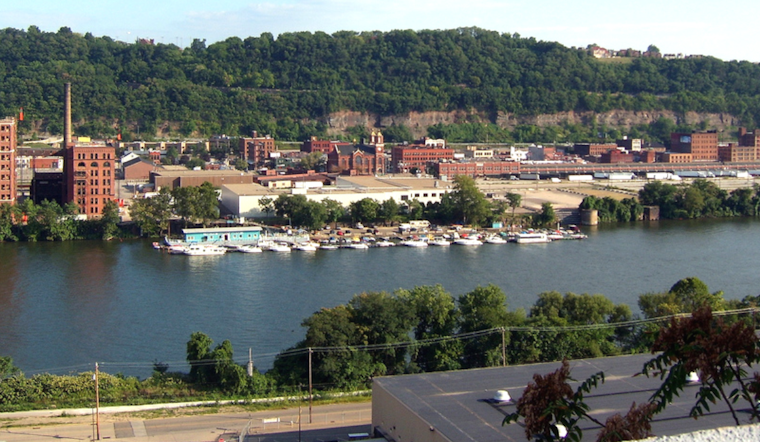
Pittsburgh’s long-running “ghost fleet” problem is finally getting a reckoning. City officials, river advocates, and salvors are gearing up to clear out a cluster of abandoned and derelict boats that have piled up along the three rivers, some of them leaking fuel, shedding fiberglass, and generally overstaying their welcome. A new state law gives local agencies a clearer legal lane to tag, notify, and ultimately remove the worst offenders, and crews are now hunting for contractors and cash to haul the hulks off the wall.
What the law does
Act 28 sets up a streamlined process for municipalities and law enforcement to identify, tag, and, if needed, remove at-risk, derelict, and abandoned boats from public waterways. Officials must make reasonable efforts to find and notify owners, give them 14 days to respond, and then 30 days to claim or remove a vessel before it can be towed, junked, or otherwise disposed of at the owner's expense. The law also lets governments recoup removal and storage costs and includes language that shields agencies and officers from liability when they act in good faith under the statute. These provisions are detailed by the Pennsylvania General Assembly.
Why the rivers are riskier than they look
Those rusty hulls are more than just an eyesore. When boats are abandoned, they can leak fuel and other fluids, crack apart, and release paint, foam, and insulation into the water, all of which can harm water quality and wildlife. Local surveys and riverkeepers estimate that roughly two dozen problem vessels are scattered around Pittsburgh, with many clustered along the North Shore and other highly visible stretches of riverfront. Recent reporting and local assessments spell out those numbers and environmental risks, according to WESA.
How removal actually works
Getting a dead boat off the river is not as simple as hooking up a tow line and gunning the engine. Salvage jobs often require barges, cranes, divers, and careful pumping or removal of any onboard fuel and contaminants before a hull can be lifted or dragged away. Michael Hills of the Pittsburgh Safe Boating Council describes a typical sequence: raising a vessel if it is sunk or grounded, towing or barging it to a safe location, removing any remaining fluids, dismantling the hull, and sending the waste to a landfill. It is specialized, expensive work. “If you've abandoned your boat, you better be ready for it, because it's gonna cost you,” Hills told reporters, estimating that disposal can run from about $5,000 up to $20,000 per vessel while he works to pull together seed money to pay salvors. Hills’ comments and cost estimates are reported by WESA.
North Shore in the crosshairs
Act 28 applies only to vessels on public property, so who owns which slice of riverfront suddenly matters a lot. The Sports and Exhibition Authority lists North Shore Riverfront Park among the facilities it owns and operates, which means the boats tied to that wall fall squarely under the new removal rules. That jurisdictional clarity gives officials a practical path to go after some of the most visible derelicts sitting right across from downtown. Ownership and facility details are provided by the Sports and Exhibition Authority.
Penalties and legal notes
The code sets up escalating penalties for owners who ignore those bright notices on their boats: summary fines for first offenses and possible misdemeanor charges for repeat violations. It also authorizes municipalities or the Fish and Boat Commission to seek restitution for towing, storage, and disposal costs. Just as crucial for local governments, the law limits liability for agencies and officers that identify, notify, or remove vessels in line with the statute, a protection officials say removes a key barrier that had stalled action for years. The notice, penalty, and cost recovery procedures are spelled out in the statute, as outlined by the Pennsylvania General Assembly.
What's next
With the legal framework in place, officials, salvage contractors, and river nonprofits are now mapping out the worst boats and deciding which removals will require heavy equipment and fully paid crews. Organizers say they want the North Shore stretch cleaned up well before Pittsburgh hosts the NFL Draft on April 23–26 and point to recent large-scale cleanups that used barge-mounted excavators and sonar surveys coordinated with Three Rivers Waterkeeper as a model for what is coming. Background on the draft timeline and earlier cleanup efforts has been reported by CBS Pittsburgh and in coverage of recent salvage work by Living Lands & Waters and partners.





