

























































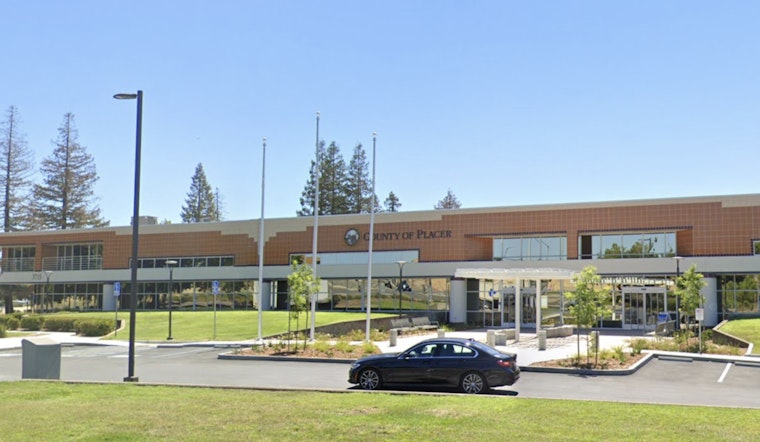
On Tuesday, Placer County’s Regional Forest Health program announced it has locked in more than $6.8 million and is rolling out fuel‑reduction treatments across more than 22,000 acres to shield communities and watersheds from catastrophic wildfire. County leaders say the new money will speed up thinning, prescribed burns and coordinated biomass work that can cut costs and shorten timelines for big landscape‑scale projects.
Where the work is happening
The latest push is centered on the French Meadows restoration effort in the Middle Fork American River watershed, a public‑private partnership that spans roughly 22,000 acres of federal forest and nearby private parcels, according to the Placer County Water Agency. That project, along with targeted fuels work closer to Interstate 80 and the Tahoe basin, relies on mechanical thinning, mastication and prescribed fire to lower the risk of high‑severity wildfire and protect both hydropower facilities and drinking‑water infrastructure.
How the funding will be used
County officials say the new funding will go toward on‑the‑ground fuel‑reduction work, biomass aggregation and cross‑boundary planning that helps projects move faster while driving down per‑acre costs. In a post on X, the county noted that the Regional Forest Health program "has secured more than $6.8m" and pointed to recent efforts in areas such as Cabin Creek and Olympic Valley.
Partners and progress on the ground
Officials say coordination is what allows the work to scale up. By stacking multiple funding streams and tapping partner capacity, the county can bundle projects across different ownerships and trim mobilization costs. The Placer County Water Agency and its partners report that roughly 8,700 acres have been treated across the French Meadows basin so far, and a county operations summary notes that about 1,170 footprint acres were treated in 2024. The county is also turning to grants, including a $400,000 CAL FIRE award for Cabin Creek and Olympic Valley work, to stretch every dollar. See ACWA, the French Meadows operations report and the county’s Eastern Placer fuels page for details.
What’s next
Looking ahead, county officials say they plan to keep chasing grants and building out public‑private partnerships this year to accelerate treatments and invest in biomass solutions that can turn hazardous material into local value. Residents and landowners who want to follow the work can find project maps and status updates on partner websites tracking priority treatment areas.





