

























































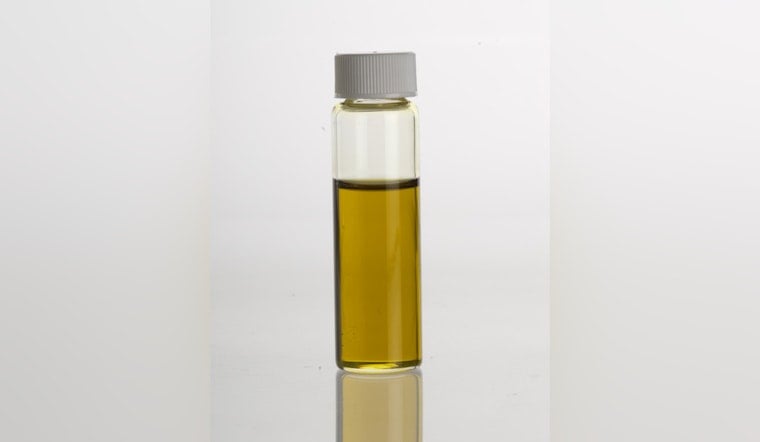
Nearly nine out of ten avocado oil chips on grocery shelves may not be what their labels claim, according to new laboratory testing out of the University of California, Davis. Researchers bought 54 processed food products labeled as containing avocado oil as the sole oil ingredient, and 48 of them failed authenticity testing when their chemical fingerprints were compared against international purity standards.
The findings, published in the journal Applied Food Research, cut across chips, mayonnaise, and salad dressings purchased from California stores and online retailers in 2025 and 2026, as reported by The Dallas Express. Researchers extracted oil from each product and compared its chemical fingerprint against Codex Alimentarius standards for authentic avocado oil, applying a 10% margin to account for natural variation in avocado variety and origin, per the same report. Mayonnaise fared worst, with 71% of tested products inconsistent with authentic avocado oil, while 100% of tested salad dressings and 93% of tested chips also failed to match a pure avocado oil profile.
Which Brands Passed and Which Didn't
Not every product failed. Simply Frito-Lay Tostitos Avocado Oil Tortilla Chips matched an authentic avocado oil profile in one tested lot, as did LesserEvil Moonions Onion Rings. Grove AvoYeah! mayo sauce and garlic aioli both matched authentic profiles in both of their tested lots, according to the Dallas Express account of the findings.
Other well-known names did not fare as well. Sprouts store-brand products, BetterBody Foods mayonnaise, Boulder Canyon Avocado Oil Kettle Chips, Sir Kensington's Avocado Oil Mayonnaise, Chosen Foods mayonnaise and dressings, Jackson's chips, Siete Kettle Cooked Potato Chips and Maiz Corn Tortilla Chips, Primal Kitchen mayonnaise and dressings, and Kettle Brand varieties were all inconsistent with pure avocado oil in their tested lots. The inconsistent products often contained canola, safflower, or soybean oil instead, per the study findings. Researchers cautioned that the results apply only to the specific lots tested, not necessarily to every batch a brand produces.
Why Olive Oil Fares So Much Better
The study also tested 20 olive oil-labeled processed foods for comparison, and just one failed authenticity testing. Selina Wang, the study's lead author and a professor of cooperative extension in UC Davis's Department of Food Science and Technology, attributed the gap to decades of scrutiny that olive oil authenticity has received but avocado oil has not, according to the Dallas Express report. Wang said consumers are increasingly paying a premium for products made with avocado oil or olive oil and deserve to get what they pay for, adding that there is not enough accountability throughout the supply chain.
That premium is steep: consumers pay more than 500% more for products marketed as made with avocado oil compared with conventional oil versions, per the same reporting. Brands may source avocado oil from third-party brokers without independent verification, which researchers say helps explain how dilution can slip through undetected before a product ever reaches a store shelf. Laboratory tests confirmed that standard food processing did not significantly alter the chemical markers used to detect adulteration, according to Food Ingredients First, meaning the dilution is happening earlier in the supply chain rather than during manufacturing.
This is not the first time UC Davis researchers have flagged the problem. A 2020 UC Davis study found that 82% of bottled avocado oils tested were rancid or mixed with other oils, and a separate study published in Food Control in May 2023 found nearly 70% of private-label, store-brand bottled avocado oils sold in the U.S. and Canada were either rancid or adulterated with cheaper oils, according to UC ANR. The new findings suggest the problem has since spread from bottled oil into the processed snack aisle.
Regulators Circling as FDA Tightens 'Healthy' Claims
The Federal Food, Drug, and Cosmetic Act defines a food as misbranded if its labeling is false or misleading in any particular, and the law prohibits introducing or delivering a misbranded food into interstate commerce. Criminal violations under the statute may result in fines and imprisonment of up to one year for a first offense, or up to three years for subsequent offenses or cases involving intent to defraud, according to Cornell Law School's Legal Information Institute. The FDA may issue warning letters, seek recalls, seize products, obtain injunctions, or pursue civil penalties against noncompliant manufacturers, though the agency has not announced public enforcement actions specifically tied to the July 2026 study.
Separately, the FDA updated its federal rules on the term “healthy” in late 2024, a change that now allows the claim on foods such as avocados and salmon under specific nutrient criteria while restricting it for other foods. Texas Attorney General Ken Paxton has opened his own investigation into “heart-healthy” labeling on certain products, issuing civil investigative demands to Frito-Lay and other manufacturers this month, according to KLIF-AM. Those demands concerned claims linked to the American Heart Association's Heart-Check mark, and the Texas Deceptive Trade Practices Act can support investigations or lawsuits brought by attorneys general or private parties.
The global avocado oil market reached an estimated $737 million in 2026 and is projected to exceed $1.41 billion by 2035, driven by rising consumer demand for monounsaturated fats, according to Towards Food and Beverages. As the wellness-food category built around ingredients like avocado oil keeps expanding — a trend Hoodline has tracked in a Dallas seed-oil-free cafe and a Nashville fast-casual newcomer — the gap between marketing claims and lab results is likely to draw more scrutiny from both regulators and shoppers paying a premium for the real thing.





