

























































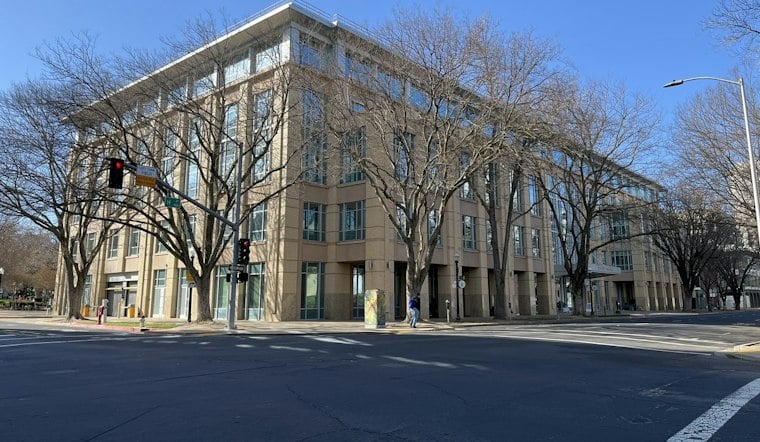
Sacramento City Council members voted unanimously on Tuesday to approve a new pilot program aimed at illegal dumping across the city, adding surveillance cameras, more cleanup crews, and the possibility of steeper penalties for violators. The plan comes after city data showed more than 2,300 tons of illegally dumped trash were removed last year alone, spread across 46 known hotspots citywide.
What the CLEAR Plan Actually Does
The newly approved program is called CLEAR, short for Cleanup, Legal disposal, Enforcement, Awareness and Response, according to FOX40. The pilot will install five surveillance cameras specifically trained on illegal dumping, add more full-time Public Works positions, and expand legal disposal and junk-collection opportunities for residents. City leaders also left room in the plan for increased penalties against people who break the rules, though exactly what those penalties would look like has not been spelled out.
Erin Treadwell, a program manager with the city's Public Works, Recycling and Solid Waste Division, described illegal dumping as a stubborn and ongoing headache for the city. “It is a significant problem, and it is a hard problem to solve,” Treadwell said, per the same outlet's report. City leaders have emphasized that the plan is meant to do two things at once: crack down on dumpers while also making it easier for residents to dispose of junk the right way.
Calls, Cases and a Numbers Mismatch
Just how big is the problem? The city reported more than 11,000 illegal-dumping calls last year, the station's report states. Separate reporting from Abridged gives a different picture for 2024, saying Sacramento's 311 system fielded more than 9,400 calls related to illegal dumping that year, of which 1,458 were classified as actionable cases — and that the city closed 1,209 of those cases while issuing just 11 citations. CBS Sacramento has separately put the 2024 figure at 11,000 cases reported to 311, with code enforcement investigating only 1,458 of them.
That technology push isn't entirely new. Abridged reports that the city already had 13 cameras watching dumping hotspots, which had led to 25 citations since 2025 according to a city spokesperson. The five additional cameras approved under CLEAR would add to that existing network, though the plan does not specify where they'll go or when they'll go live.
Riverways Bear the Brunt
David Ingram of the River City Waterway Alliance, a group that works to clean littered areas along Sacramento's riverways and keep them safe for surrounding ecosystems, said the scattered nature of dumped debris makes it especially hard to track and contain. “It moves based upon the weather elements, wind. It can also be moved by animals,” Ingram told FOX40. He added that illegal dumping shows up all over the city — in neighborhoods, waterways, and parkways alike — and said the city needs to act on it.
To encourage residents to speak up, Sacramento offers rewards between $500 and $1,000 for information that helps catch a violator, and the city is urging anyone who witnesses illegal dumping to call 311 immediately. City leaders say they hope the new plan will help raise awareness of that reward program, which has existed for years but may not be widely known among residents. Historical city guidelines from 2002 tied those rewards to whether a tip led to a violator's arrest and conviction, and capped an individual at five partial or separate rewards totaling no more than $2,500 in a calendar year, according to city of Sacramento records. Whether those specific eligibility rules remain in effect today isn't established in the available documentation.
A Problem Bigger Than One City
Sacramento isn't alone in wrestling with this. A report from Eunomia, commissioned for Sacramento County, the City of Sacramento, and the Sacramento Regional Solid Waste Authority, found that illegal dumping in the city had risen 32% over three years while cleanup costs nearly doubled. The same analysis recommended a maximum two-week wait for bulky-item pickups, expanding the city's free dump coupon program to cover all areas, and setting up neighborhood drop-off sites for junk waste at peak times and locations.
Nearby Oakland has also been grappling with the issue. A 2026 Oakland Metropolitan Chamber of Commerce poll found 68% of respondents considered illegal dumping an extremely or very serious problem, though that was down from 78% the year before, according to Oaklandside. Oakland reported removing 46% more illegally dumped material and issuing 80% more citations than the prior year, and the city council there approved changes letting its Public Works Department arrange and bill trash collection directly to noncompliant commercial property owners. An Oakland audit cited by KRON4 found that 73% of citations there went unanswered or unpaid, a reminder that cameras and citations alone don't guarantee compliance.
Other cities are leaning even harder into surveillance. Memphis has deployed more than 100 covert cameras citywide and issued 5,855 illegal-dumping violations in just the past three months — about 85% of the total issued during the entirety of the previous fiscal year, according to Action News 5. Meanwhile, Los Angeles's City Council voted 12-0 on Wednesday to direct the Bureau of Sanitation, the Los Angeles Police Department, the city attorney, and other departments to report back within 30 days on enforcement and funding options, per the Daily Breeze. That outlet also reported Los Angeles's current fine structure: $500 for a first violation, $750 for a second, and $1,000 for a third or subsequent offense.
Back in Sacramento, residents already have access to some disposal help meant to steer junk away from empty lots and waterways. Abridged reports that city residents receive an annual dump coupon for an eligible load, two free bulky-waste pickups, and two free appointments for appliance and electronics disposal each year. The city aims to clean up reported dumping piles within three days, though Abridged also reported that at least one councilmember has said some piles have lingered for up to a week before crews arrive.



