

























































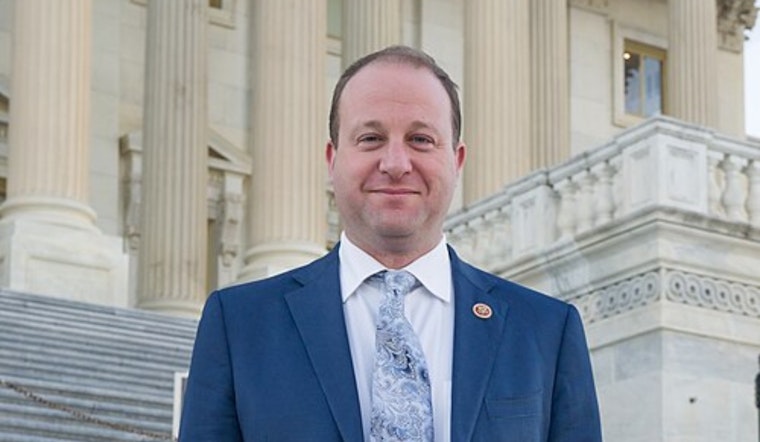
Gov. Jared Polis is calling on Coloradans to jump into a high-stakes federal review that could reshape the National Center for Atmospheric Research, warning that breaking up the Boulder-based lab could weaken the state’s ability to forecast and respond to severe storms and other disasters. The National Science Foundation opened a formal request for input in January, and the public comment window closes today. Polis is pitching the fight as about jobs, public safety and the research many Colorado businesses and emergency planners rely on.
According to the National Science Foundation, a Dear Colleague Letter asks the research community and potential operators for concepts to manage atmospheric observational platforms, cyberinfrastructure and training. It also explicitly solicits ideas for the future stewardship or ownership of NCAR’s Mesa Lab building. The notice says submissions should be limited to 2–3 pages per topic and emailed to [email protected] by March 13, 2026. The agency says those materials will be used to inform any restructuring of NCAR components, and the letter identifies the NCAR‑Wyoming Supercomputing Center and NCAR‑operated aircraft as separate items under consideration.
What’s on the table
The letter lays out a wide range of possibilities, from reorganizing space‑weather activities to shifting modeling priorities and exploring new operators or owners for the Mesa Lab. That menu of options has grabbed attention across Colorado. Axios Boulder described the move as a formal first step that critics argue could lead to fragmentation or partial privatization of work that is currently coordinated in Boulder. Colorado lawmakers and some researchers warn that breaking up tightly integrated teams and systems could slow the flow of data and models that many forecasters depend on.
Why Colorado leaders are alarmed
NCAR develops and supports community tools such as the Weather Research and Forecasting system and runs observational and computing platforms that feed operational forecasts at NOAA, the Defense Department and private weather companies. Local reporting notes that the Mesa Lab and the broader UCAR campus sit at the center of that work and that the center employs roughly 800–830 people, with lawmakers already moving to protect funding and operations. Boulder Reporting Lab has detailed early responses from Rep. Joe Neguse and Colorado senators, while UCAR and NCAR visitor materials describe the Mesa Lab’s public science and computational role. The urgency is framed against rising disaster costs: the Fifth National Climate Assessment puts U.S. extreme‑weather losses at about $150 billion a year, a trend officials say boosts the value of locally based research and forecasting.
How to comment
Polis has been using his official social channels to prod Coloradans to speak up, writing that breaking up NCAR “would be detrimental to our communities and industries,” according to his post on Facebook, which links to coverage of the review and urges public input. To submit a response, the National Science Foundation asks for 2–3 page documents emailed to [email protected]. The full Dear Colleague Letter with submission details is available from the National Science Foundation, which notes it will not reply to submissions but will use them to guide its next steps.





