

























































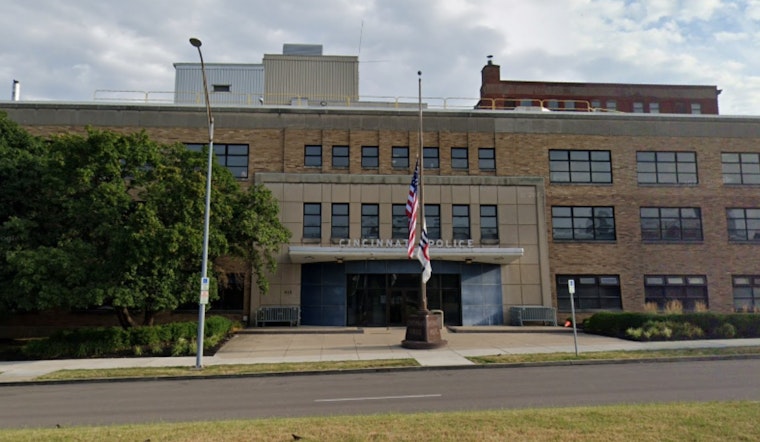
Cincinnati's police force is staring down a multimillion-dollar trim to its budget, and department leaders say it will not be painless. Interim Chief Adam Hennie told City Council's Budget & Finance Committee that the Cincinnati Police Department could lose roughly $6.6 million from a roughly $188 million operating budget, cuts he warned would squeeze both patrol and investigative work and test how far technology and staffing can stretch.
According to FOX19, the $6.6 million figure is part of a larger $29.5 million package of citywide reductions under discussion for fiscal year 2027. Hennie told the committee that delaying recruit classes and leaving some civilian jobs vacant are among the levers he can pull. He estimated that simply not filling open positions could save about $3.8 million, with smaller trims around the edges adding roughly another $250,000.
The looming cuts arrive on the heels of a separate infusion of cash. Late last year, City Council set aside $5.42 million for public-safety initiatives, most of which has already been spent on overtime, cameras and new technology such as a 24/7 crime center and expanded drone coverage, according to WVXU. WVXU reports that the extra money was pitched as a way to boost officer visibility and speed up investigations while City Hall works on longer-term strategies.
What Would Be Cut
Hennie told council members that a full 5.1 percent reduction would fall hardest on what the department considers noncritical supports, but the ripple effects would reach the street. A cut of that size could reduce capacity for investigations, patrols and recruit classes, slow some response times and complicate how the department manages its growing stack of data and technology tools, FOX19 reports.
Part of the bind, Hennie said, is structural. About 90 percent of the department's budget goes to personnel and only about 10 percent to operations, and a big slice of that small operations pot is locked into contracts for technology such as Axon body cameras and ShotSpotter gun-detection microphones.
Department Options and Next Steps
Council members pressed Hennie to hunt for "organizational inefficiencies" and debated whether investments in technology might help control costs over the long run. At the same time, officials acknowledged that some of those very tools are what keep pushing the operations budget up.
WLWT has reported that the city has been using a roughly $5.4 million public-safety package to repair hundreds of cameras, install license-plate readers and build out a 24-hour crime center. Department leaders say those moves help officers respond more quickly, but they also come with ongoing costs that now have to be juggled alongside potential cuts.
The Budget & Finance Committee did not take action to lock in any reductions, and discussions are expected to continue as the city refines its FY27 spending plan. Council members appeared open to the concerns Hennie raised, but with broader budget pressures mounting across City Hall, rank-and-file officers and neighborhood groups will be watching closely to see how officials balance staffing, technology and community programs. Final decisions are still months out, and the city's larger budget process is set to play out through the spring and into the summer.





