

























































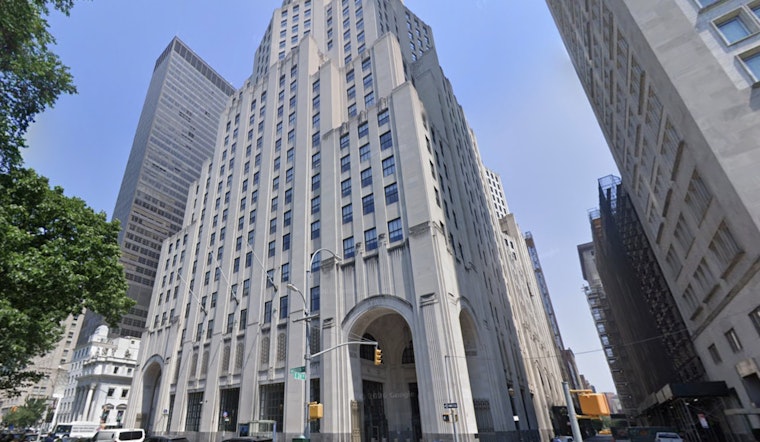
From Manhattan side streets to downtown San Francisco, family offices are quietly scooping up cut-price real estate while the usual big-money players sit on the sidelines. With patient capital and highly flexible deal terms, these buyers are targeting retail, office and multifamily properties where stressed prices and tricky financing have opened rare windows of opportunity. The deals may look modest on paper, but they can loom large for the neighborhoods where these investors move in.
Family offices leaning into alternatives
J.P. Morgan's 2026 Global Family Office Report finds that family offices are leaning harder into private markets and other alternatives even as public markets wobble, according to J.P. Morgan Private Bank. The report highlights real estate as a key target for patient capital and helps explain why family offices can act where big institutions hesitate: they manage concentrated, long-dated wealth and can tolerate illiquidity. That combination is turning them into active buyers in select U.S. markets.
SoHo master lease underlines the strategy
One of the clearest examples is in New York, where Declaration Partners and Hilltop Real Estate executed a roughly $50.1 million, 25 year master lease for three SoHo storefronts, a bespoke structure that followed Declaration's $303 million real estate fundraise, according to Declaration Partners. The deal shows the kind of flexible, very long term commitments that family capital is willing to make.
Deep discounts in offices and apartments
Reporting has also spotlighted some bargain hunting. Certain family office investors have picked up office debt or buildings at single digit cents on the dollar, while Realm reportedly bought a San Francisco office asset at roughly 21 percent of its last traded or replacement cost and groups like Lido Advisors have been acquiring multifamily properties at 20 to 30 percent discounts to replacement cost. Those specifics were detailed by CNBC.
Data and allocation signals
J.P. Morgan’s report offers a portfolio snapshot showing that private investments remain a large slice of many family office portfolios, even if real estate allocations differ widely. Industry coverage, including Bloomberg, has tracked an uptick in deal activity alongside continued caution from larger institutional buyers, suggesting a bifurcated market where patient capital can move quickly and seek outsize value.
What some polls and coverage show
CNBC's coverage of a J.P. Morgan poll breaks down results showing that a meaningful share of family offices plan to increase real estate exposure while others still have no allocation at all. Per CNBC, those mixed survey signals help explain why family offices are both active buyers and highly selective about where they deploy capital.
Why local markets should watch
For neighborhoods like SoHo and tech hubs in Northern California, family office capital can help stabilize properties by extending leases, recapitalizing assets or holding buildings through repositioning. As Commercial Observer notes, the bespoke and flexible structures family offices favor often make them attractive partners for unusual or complicated deals.
These buyers are not a cure-all for real estate troubles, since broader financing conditions, tenant demand and local rent fundamentals still drive outcomes. For now, though, their quiet activity is a sign that pockets of U.S. real estate are landing in the hands of owners who can wait out the cycle and reshape properties over the long term.





