

























































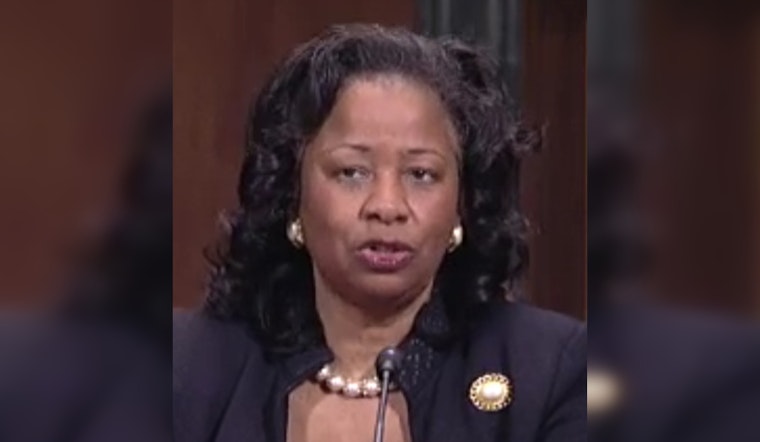
North Carolina's long-running fight over voter ID just tilted in favor of lawmakers in Raleigh, where a federal judge on Thursday upheld the state's photo voter-ID requirement and rejected the NAACP's claim that it was passed with discriminatory intent. The ruling keeps the 2018 statute in place as the state moves deeper into the 2026 election year.
In a 134-page opinion, U.S. District Judge Loretta Biggs wrote that evidence at trial suggested the burden of getting acceptable IDs falls more heavily on Black and Hispanic voters and noted that provisional ballots can later be rejected if officials decide information on an exception form is false, according to The News & Observer. Even so, Biggs said prior appellate and Supreme Court rulings limited how much weight she could give to North Carolina's history of racial discrimination, and that legal framework ultimately led her to uphold the law.
Why the Judge Let the Law Stand
Biggs said she was constrained by controlling case law and earlier appellate decisions that require federal courts to give significant deference to the legislature's choices, AP News reports. The voter-ID law has already been in use: it was enforced in municipal elections in 2023 and applied again in the March 3 primary, most results of which were certified this week.
Republican leaders quickly celebrated the decision. Senate President Pro Tem Phil Berger called it a "monumental win for North Carolina and election integrity efforts," while civil-rights organizations labeled the ruling "deeply disappointing," The News & Observer reports. The paper also noted that roughly 2,000 ballots were thrown out in the November 2024 general election for ID-related reasons, a figure voting-rights advocates say shows the law's real-world impact.
What Voters Should Know
For North Carolinians trying to navigate the rules, the basics remain the same. The state offers free voter photo IDs at county election offices and through the Division of Motor Vehicles, and voters who show up at the polls without a qualifying ID can fill out an exception form and cast a provisional ballot. Those provisional ballots are not a guaranteed backup, though: election officials may later reject them if the exception is determined to be false, according to AP News. Voting-rights groups argue that the extra paperwork and follow-up can still be a serious hurdle for people with limited time or transportation.
Legal Fallout and Next Steps
The NAACP says it is reviewing the ruling and weighing its appellate options, setting up what legal observers expect could be another round in the Fourth Circuit and possibly back at the U.S. Supreme Court. The high court has already touched this dispute once before - in Berger v. North Carolina State Conference of the NAACP (2022), the justices allowed legislative leaders to intervene in litigation over the voter-ID law. For background, see the opinion from the U.S. Supreme Court.
Local Implications
On the ground, the ruling signals more of the same for county election offices and nonprofits, which are likely to keep pushing voter outreach to help residents secure free IDs and correctly complete exception forms before ballots are certified. As the legal fight continues, election administrators say they will follow state law while reminding voters what documentation they need to bring to the polls so their ballots count the first time.





