

























































North Carolina’s top lawmakers are moving from the sidelines to the front row in a high-stakes fight over gender-transition care for people in state prisons, asking a federal judge to let them join a class-action lawsuit targeting the state’s funding ban.
Lawmakers' Motion And Who Would Intervene
According to court records and filings shared by the ACLU of North Carolina (complaint), legislative leaders filed an unopposed motion on March 6 to intervene in Kwiatkowski v. Dismukes. The motion notes that the named plaintiffs and the Department of Adult Correction "do not oppose" bringing the General Assembly into the case.
The lawsuit challenges House Bill 805 on Eighth Amendment grounds, arguing that the statute cuts off access to hormone therapy and gender-transition surgeries that the plaintiffs say are medically necessary.
Berger And Hall Ask To Join The Case
The motion was submitted on behalf of Senate President Pro Tempore Philip E. Berger and House Speaker Destin C. Hall and includes a proposed answer that would formally add the legislature as intervenors, according to the public court documents. In their memorandum, the lawmakers say they have a distinct and protectable interest in defending laws enacted by the General Assembly and argue that executive branch officials cannot be assumed to represent that separate legislative interest. The filing is available in the public docket.
The Plaintiffs' Claim
Five people incarcerated in state prisons, AJ Kwiatkowski, Ashlee Inscoe, Pumpkin Snuggs, LuluBell Frazier and Tremayne Izzard, filed the complaint on February 6, alleging that HB 805 blocks medically necessary gender-affirming care and violates the Eighth Amendment, per the complaint. They are asking the court for a declaratory judgment and for preliminary and permanent injunctions that would halt enforcement of the statute and restore access to individualized treatment decisions.
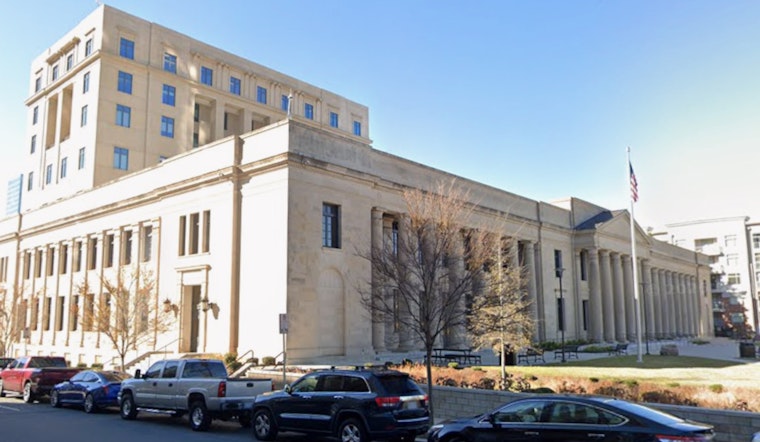
The case is docketed in the U.S. District Court for the Western District of North Carolina as Kwiatkowski et al v. Dismukes et al, No. 3:26-cv-00098. Court records show the complaint was filed February 6 and that the case is still in its early stages. As of the lawmakers’ March 6 motion, public filings indicated that no substantive proceedings had taken place.
What HB 805 Does
House Bill 805, passed by the General Assembly and made law after a veto override, bars the use of state funds "for the performance of or in furtherance of surgical gender transition procedures" and prohibits state-paid puberty blockers and cross-sex hormones for any person in the state prison system. The law includes a narrow exception that allows treatment of complications that create a risk of imminent physical harm, language that appears repeatedly in the lawsuit and related filings.
Legal Precedent And Stakes
The lawmakers lean heavily on the U.S. Supreme Court’s 2022 decision in Berger v. North Carolina State Conference of the NAACP, which outlined when state legislative leaders may intervene in federal court to defend state laws. They argue that those conditions are met here and that intervention is warranted so the General Assembly can directly defend the constitutionality of HB 805.
Their memorandum casts HB 805 as a policy choice tied to how limited public resources are allocated and how prisons are administered, while the plaintiffs frame the statute as a medically unjustified barrier that allows care only when there is a threat of "imminent physical harm." The Eighth Amendment claims are likely to hinge on that clash of medical and policy narratives.
Legal Implications
If the court grants the motion to intervene, Berger and Hall would be able to argue for upholding HB 805 alongside, or potentially in a different posture than, the executive branch defendants. The plaintiffs, for their part, are asking the judge to block enforcement of the law as cruel and unusual punishment under the Eighth Amendment.
For now, the immediate questions in front of the court are whether to allow legislative intervention and how to handle early procedural issues such as class certification and standing. Interested readers can follow the case as it develops by reviewing the complaint, the lawmakers’ motion and the bill text in the public filings and legislative record linked below.
Sources: WBT; Carolina Journal (court filing); ACLU of North Carolina (complaint); Justia Dockets; North Carolina General Assembly; Cornell Law (Berger).





