

























































A Raleigh woman says her life savings disappeared in a sophisticated scam that drained $75,000 from her accounts, leaving her reeling and sounding the alarm for neighbors across the Triangle. The case is one of several recent consumer fraud reports in the region and was among the lead stories on ABC11’s Eyewitness News at 6 a.m. on March 27, 2026.
How the scam unfolded
According to ABC11, Bettilyn Smyth first noticed transactions she did not recognize. Worried something was wrong, she called what she believed was a customer support number and ended up talking to scammers who walked her through downloading a remote access app.
From there, things escalated fast. Records show Smyth wired $25,000 from one bank account and $50,000 from another after the callers told her she needed to move the money. She later told ABC11 that her banks said they could not recover the funds. Smyth filed a police report, and a detective is now investigating the case.
Scams are getting savvier
Smyth’s ordeal tracks with a growing national trend. The National Consumers League’s Fraud.org Top Ten Scams report found that phishing and spoofing complaints jumped about 85.6% in 2025, with watchdogs warning about a sharp rise in AI‑enabled impersonation that makes scam pitches sound more polished and believable.
Investment‑style schemes were among the scams linked to some of the biggest median losses, a reminder that it does not take many bad clicks or phone calls for an entire nest egg to vanish.
Watchdogs say coordination is lacking
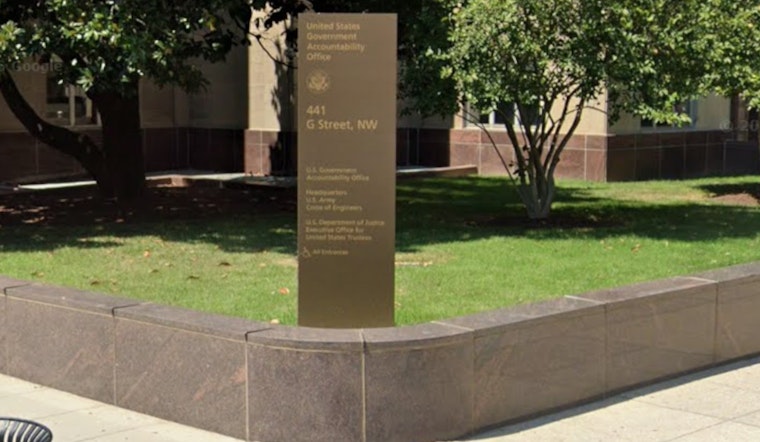
The U.S. Government Accountability Office recently flagged a bigger problem behind all of this. The GAO reported that federal agencies still do not share a unified, governmentwide strategy for measuring and fighting scams. The watchdog urged better data sharing and a common definition of fraud so losses can be tracked more consistently and enforcement can be focused where it will hurt scammers the most.
GAO recommended that the FBI lead a coordinated federal effort and pressed agencies to harmonize how they collect and categorize complaint data so policymakers can better estimate the real scale of consumer losses.
What to do if you are targeted
If you or someone you know gets caught in a scam, consumer advocates say speed matters. Contact your bank and any companies involved immediately, file a police report and place fraud alerts with the major credit bureaus.
In North Carolina, you can file a complaint with the Attorney General’s Consumer Protection Division through the North Carolina Department of Justice. You should also report the fraud to the Federal Trade Commission. Both sites outline next steps, identity‑recovery resources and tips on preserving evidence that could help investigators.
More from ABC11’s morning roundup
ABC11’s Eyewitness News morning newscast also highlighted a Wilson case involving a 15‑year‑old charged in the shooting death of a 14‑year‑old, along with other local headlines and weather updates. For the video roundup and the station’s full reporting on Smyth’s case, visit ABC11.





