

























































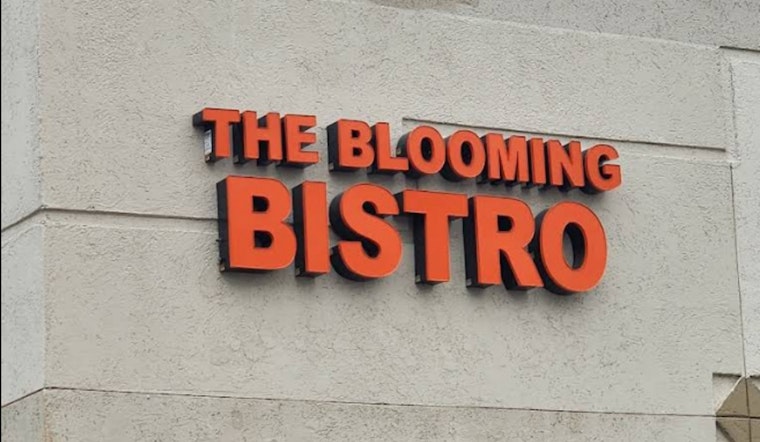
On a quiet stretch of Rancho Drive, tucked into an ordinary-looking shopping plaza, The Blooming Bistro has quietly reinvented itself as something more than a neighborhood cafe. The mission-driven spot has reopened as a working classroom for transition-age youth, serving a streamlined weekend brunch menu while trainees run both the kitchen and the dining room. The idea is simple but ambitious: turn first paychecks into lasting hospitality careers, not just another short-term gig.
New photos from the reopening show what that looks like in real time. A recent Las Vegas Sun gallery captures students plating salads, calling tickets and working the counter as customers returned after a brief closure. Shot on March 12, the images put faces to a program that mixes everyday hospitality service with social-emotional learning for young people trying to get a foothold.
Relaunch With Classroom Intent
The Blooming Bistro’s latest chapter began earlier this month, when a new cohort of trainees arrived from St. Jude’s Ranch for Children and other partner programs. Program director Samantha Steele described the cafe as “a second chance, a classroom, and a launching pad” for the students, underscoring that the focus is on long-haul careers, not temporary placements. Those details, reported by Vegas24Seven, include a spring training class that will work toward industry-recognized certifications while receiving on-the-job mentoring from the Restaurant Hospitality Institute.
Partners And On-Site Supports
The bistro’s own materials spell out a web of partnerships backing the operation: Employ NV Youth Hub, the state Division of Welfare and Supportive Services, the Restaurant Hospitality Institute and the University of Nevada, Reno’s CASAT program, with support from the State Opioid Response initiative. An event listing from the Nevada Opioid Center of Excellence notes that the bistro’s grand opening also doubled as an overdose-education session, connecting trainees with harm-reduction information and community partners right where they work.
Why The Model Matters
Behind the friendly brunch service is a serious problem the program is trying to blunt. Older foster youth and other transition-age young people face steep odds once they age out of care, including high rates of housing instability and homelessness. A report from the Congressional Research Service found that roughly 43 percent of tracked foster youth reported experiencing homelessness by age 21. In Nevada, a statewide needs assessment from Nevada DHHS cites findings that about one in four youth who age out of care will face homelessness within four years. The Bistro’s mix of paid job training, certifications and social-emotional support is built to push back on those numbers at the local level, one shift at a time.
How To Visit Or Support
The Blooming Bistro now posts weekday hours along with a weekend brunch service, and it has leaned into charcuterie boards and catering as another way to fund its workforce program. For menus, hours and ordering details, the cafe points visitors to its own site. Local TV coverage has also spotlighted trainees’ stories and the bistro’s role in both recovery and job readiness. For more on how the program moves students into paid shifts and mentor roles, see coverage from The Blooming Bistro and local reporting by KTNV.
No one at The Blooming Bistro is pretending that a small cafe can fix structural problems on its own. But organizers and partners say the operation offers a concrete route out of instability for a group that research shows is especially vulnerable. The reopening photos and coverage drive the point home: in a city built on service, this little spot on Rancho shows how a neighborhood restaurant can double as a training ground.




