

























































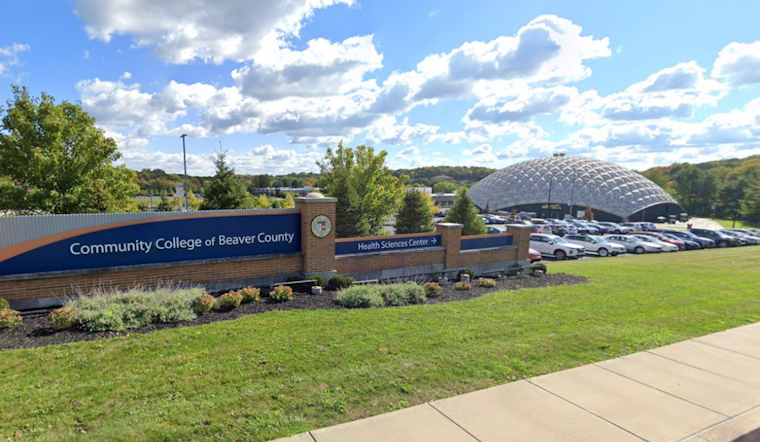
Spring break at the Community College of Beaver County kicked off with a digital nightmare on Monday, as unknown attackers encrypted campus data, demanded a ransom, and effectively pulled the plug on day-to-day operations, college officials said. The college locked down its computer systems and closed the campus, leaving students and staff unable to access grades, transcripts, and billing systems while IT teams and outside specialists scramble to bring services back online.
Campus Closed, Tech Locked, Spring Break Plans Scrambled
Leslie Tennant, CCBC’s vice president of communications, told CBS Pittsburgh that the school received a ransom note and moved quickly to contain the damage. “We have currently locked down all IT resources,” Tennant said, explaining that college leaders shut down campus operations at 9:30 a.m. as they evaluate when it will be safe to resume in-person classes and restore normal access.
Staff Told: Don’t Turn Anything On
An internal alert sent to employees described the incident as an encryption-based “cryptolocker” attack and warned staff not to power on laptops or connect any devices to campus networks, according to DysruptionHub. The notice also urged employees not to log into the college VPN from home to prevent any further spread of the malware. As of Monday evening, the college had not publicly confirmed whether any personal data had been taken.
Key Systems Frozen, Outside Experts Called In
College officials said the encryption has cut off access to crucial systems, including grades, transcripts, and financial records, and that administrators are working with their insurance company and outside incident response teams to manage the fallout, according to CBS Pittsburgh. “It’s like breaking into a building, locking all the file cabinets and demanding money for the keys back,” said Paul Lauttamus of AV Lauttamus Communications, describing the situation in that coverage.
Why Colleges Keep Landing in Ransomware Crosshairs
Federal cyber officials note that schools and colleges are frequent ransomware targets because they run sprawling networks, handle sensitive records, and often operate with tight IT budgets. The Cybersecurity and Infrastructure Security Agency provides sector-specific guidance and resources to help institutions shore up defenses and respond to attacks; its recommendations and contacts are listed on CISA’s educational institutions page.
What Students Should Do Right Now
For now, students are being urged to follow official college communications, steer clear of campus systems until the school declares them safe, and stay alert for phishing emails or texts that try to exploit the disruption. Victims or anyone with information about ransomware incidents can report them to local law enforcement or through the FBI’s Internet Crime Complaint Center (IC3). Federal guidance on how to handle a ransomware event is available from the FBI.
College leaders said they have not yet identified the attackers, and as of last night, there was no public claim of responsibility. Local and federal partners are expected to assist in the investigation while CCBC works to restore access to its systems. This story will be updated as the college and authorities release additional details.





