

























































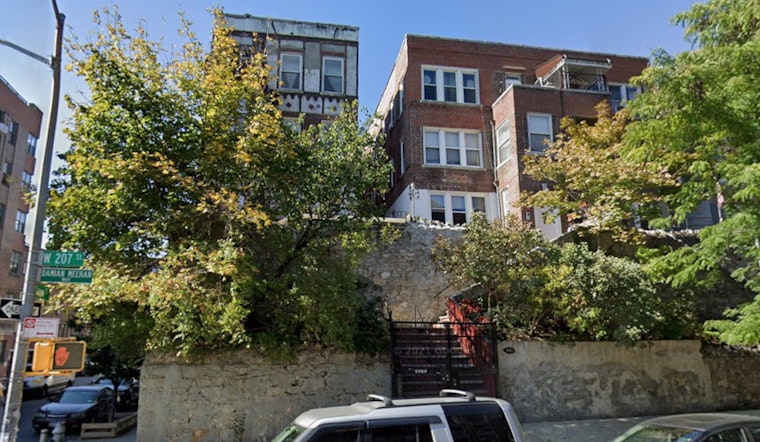
Tenants in a northern Manhattan building that was part of the troubled Pinnacle portfolio are back in federal bankruptcy court, asking a judge to force long-promised repairs that they say never came. A February 2025 settlement was supposed to require the landlord to cure housing code violations by June 2025, but residents say that deadline came and went with little to show for it. They describe broken windows, collapsing ceilings and rats, and argue they have been left with no real way to enforce their rights because the bankruptcy case froze their housing court action.
Tenants press judge to enforce a 2025 deal
Residents at 639-645 West 207th Street first took the landlord to housing court in 2023, then moved for contempt when conditions did not improve. That fight produced a settlement with Pinnacle in February 2025, but tenants say many of the repairs that were supposed to follow never materialized. This month, they asked the bankruptcy judge to order the Pinnacle affiliate to finally make the fixes. A Summit spokesperson responded that the company, “upon closing, will address all outstanding claims on a case-by-case basis,” according to The Real Deal.
Sale to Summit cleared in January despite objections
In January, a federal judge signed off on a plan that lets Summit Properties USA buy roughly 5,151 apartments across 93 buildings for about $451.3 million, even after the city and tenant groups tried to slow or reshape the deal. The portfolio landed in Chapter 11 after Flagstar Bank moved to foreclose on about $564 million in loans, according to Bisnow.
Buyer pledges repairs but advocates are skeptical
Summit chief Zohar Levy has told the court that only about 8 percent of units show open violations and laid out a five-year, $30 million capital plan, including roughly $10 million in the first year to clear existing violations. Tenant attorneys and organizers are not taking that on faith. They are pushing the court to turn Summit’s promises into clear, enforceable orders instead of relying on goodwill, per Summit’s filing.
Why bankruptcy court, and why it matters
Because the Pinnacle companies are in Chapter 11, the automatic stay in bankruptcy law has blocked tenants from using housing court to enforce their claims, which is why they now say relief has to come through the bankruptcy judge instead, according to 11 U.S.C. § 362. The Legal Aid Society and the Union of Pinnacle Tenants say they plan to use every legal tool available to make sure repairs actually get done, according to a statement from the Legal Aid Society.
What to watch next
The tenants’ motion will test whether the bankruptcy judge steps in now to order repairs or leaves enforcement to Summit after the sale closes. Either route could shape how much leverage tenants have in future Chapter 11 sales of distressed buildings. Organizers say they will keep tracking court filings and pressing city agencies for inspections, and the court is expected to schedule a hearing on the motion in the coming weeks.



