

























































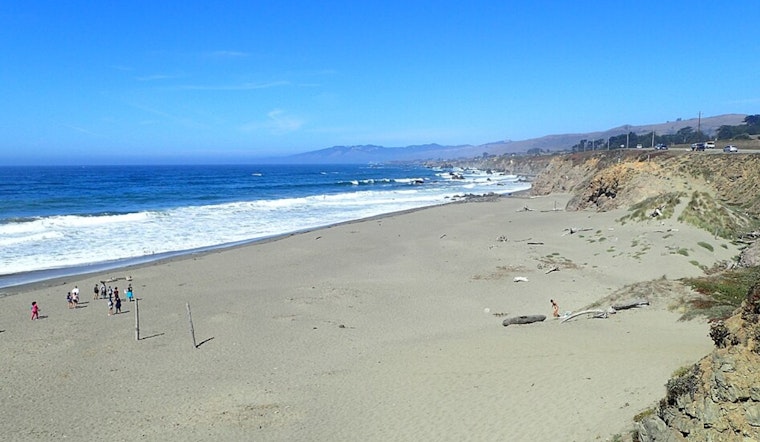
A lone bone found on a remote stretch of Sonoma County coastline has finally given a name to a John Doe mystery that has lingered for more than two decades. Investigators said last Thursday that a tibia discovered at Salmon Creek State Beach in 2022 has been identified as belonging to Walter Karl Kinney, a Santa Rosa banker who went missing in 1999. The match links that bone to partial remains recovered near Bodega Head the same year Kinney disappeared, giving his family long‑delayed answers in a case that never quite went away.
How the remains were identified
According to the DNA Doe Project, the discovery in 2022 started quietly, with a family out hunting for seashells on June 17, when they came across a long bone with surgical hardware attached. Pathology suggested it was a tibia. Investigators developed a DNA profile from the bone and uploaded it to GEDmatch Pro in January 2026. Volunteer genealogists working with the nonprofit quickly traced the profile back to Kinney, who had been reported missing in August 1999.
The earlier discovery and what tied the cases
Back in 1999, partial remains had already washed ashore near Bodega Head, but no one could connect them to a specific person. Reporting on the new identification, investigators later confirmed that those earlier remains were also Kinney’s, after his daughter submitted a tip and authorities compared the evidence to X‑rays.
As reported by the New York Post, the 1999 scene included a size‑12 Rockport walking shoe with a custom orthopedic insert. Investigators said that distinctive footwear helped them connect what turned out to be two chapters of the same case along the Sonoma coast.
What investigators said
“This case was unusual – it’s not often we see someone end up as a John Doe twice,” team leader Traci Onders said on the DNA Doe Project site, crediting both modern sequencing and old‑fashioned genealogical work for the breakthrough. The nonprofit also thanked its partners, including Genologue and Astrea Forensics, and noted that the Sonoma County Sheriff’s Office brought the case to the organization’s attention.
Why genetic genealogy matters
Forensic genealogy, which builds family trees from DNA uploaded to public databases, has emerged as a powerful tool for identifying long‑unidentified remains and helping close cold cases. At the same time, it has stirred debate over privacy and oversight, experts told PBS NewsHour. Supporters argue that the technique restores names to the nameless and offers families long‑sought closure, while critics push for clearer rules on how and when investigators can tap into those databases.
What’s next
The Sonoma County Sheriff’s Office remains the lead agency on the case and worked with the DNA Doe Project on the identification. The department’s website lists general contact information for anyone with tips or questions. Investigators say confirming Kinney’s identity closes one painful chapter for his family, even as it leaves unresolved the mystery of how his remains ended up separated along this rugged stretch of Northern California coast.





