

























































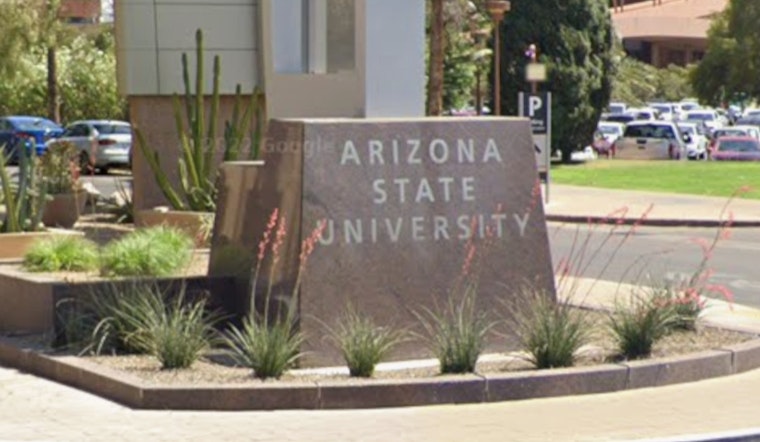
Robots are muscling into Arizona copper country, and Arizona State University is holding the door open. ASU and Phoenix-based Freeport‑McMoRan have kicked off a research partnership to build a networked system of sensors, smart robots and artificial intelligence that can analyze ore faster than traditional lab methods. The goal is to speed mineral classification, cut processing waste and shrink the energy and chemical footprint of copper extraction. If the technology works as advertised, it could reshape how material gets routed from pit to plant across the state.
What the partners say they’ll build
Engineers at ASU plan to combine robotic sample handlers with spectroscopy-style sensors and machine learning models so mine materials can be classified on the spot instead of being hauled off to remote labs. The university says the system will zero in on faster, more accurate mineral identification while also creating testbeds and training opportunities for students and local technicians, according to ASU News. In the setup researchers describe, robots position samples for the sensors, the sensors capture the data and AI turns that data into decisions operators can act on.
The collaboration plugs ASU’s labs directly into a heavyweight in Arizona mining. As reported by the Phoenix Business Journal, Freeport’s Arizona operations generated around $4.6 billion in economic benefits and employed more than 11,000 people in the state in 2024. Those numbers help explain why local universities and industry are lining up around mining technology that promises to squeeze more value from every ton of rock.
Why this matters now
Copper landed on the federal list of 60 critical minerals in 2025, which elevates domestic supply resilience to a policy priority and raises the stakes for faster, more efficient mining, according to the U.S. Geological Survey. At the same time, industry analysis shows miners are already rolling out AI, sensor fusion and digital twins to boost recovery and cut costs. That broader trend helps explain Freeport’s interest in teaming up with universities on systems that can be scaled across operations. McKinsey has highlighted how these tools can translate the flood of mine data into financial and operational gains.
How the tech fits into modern mining
Academic and industry reviews describe a fast-evolving toolbox for modern mines that includes X‑ray and optical sensors, automated sample handling, edge computing and machine learning models that flag the rock most likely to be worth processing. That same literature outlines how sensor networks and so-called robot-as-sensor setups can support real time decisions about routing ore and cutting tailings, which can improve both the bottom line and environmental performance, according to recent technical reviews. ScienceDirect has documented both what these systems can already do and the limitations researchers are still trying to crack.
Jobs, safety and next steps
The partnership arrives with a clear workforce angle. ASU and Freeport say part of the mission is to train technicians and engineers who can run and maintain sensor-heavy, automated systems. That local training focus is meant to blunt the job shifts that tend to come with automation while helping rural mining communities keep more of the value from high tech operations, according to ASU News. Researchers also point out that more automation brings safety and security questions, including how robust the models are and how resistant the sensors will be to spoofing once prototypes leave the lab and head into real Arizona mines.
For now, the partners describe the work as a series of lab and pilot tests that could expand into field trials if the systems deliver reliable classification and clear operational benefits. Officials at both institutions say the collaboration is designed to keep more of the innovation and the associated jobs inside Arizona at a time when global demand for copper and other critical minerals keeps climbing.





