

























































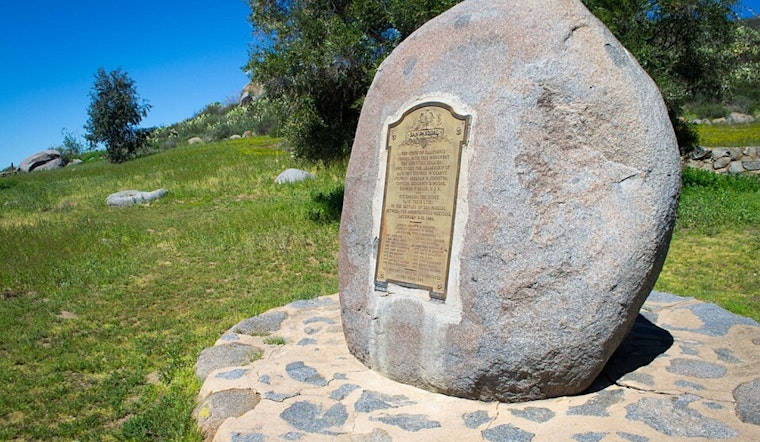
In a move that could rewrite who tells the story of one of San Diego County’s most contested historic sites, Assemblymember David Alvarez has introduced legislation to return pieces of the San Pasqual Battlefield State Historic Park to the San Pasqual Band of Mission Indians. The proposal revives a long‑running local push to put parts of the battlefield back under tribal control, with supporters framing it as both a historic correction and a practical step toward stronger cultural stewardship in the San Pasqual Valley.
What AB 2770 would do
AB 2770, introduced Feb. 20, directs the Department of General Services to quitclaim to the San Pasqual Band all state interests in three parcels within the battlefield park, totaling about 3.68 acres, at no cost to the tribe. According to the bill text on the California Legislature, the measure also urges the City of San Diego to transfer its holdings within the park to the tribe and provides that the state would transfer or renounce any remaining interests needed to make that deal work.
The bill includes an urgency clause, a bit of legislative fast‑tracking that would allow the transfer to kick in immediately once all parties sign on the dotted line.
Why the land matters
The San Pasqual Battlefield State Historic Park spans roughly 50 acres and marks the Dec. 6, 1846 Battle of San Pasqual, often described as the bloodiest clash in California during the Mexican‑American War, as well as a place of deep cultural importance for the Kumeyaay people. California State Parks notes the park sits in the San Pasqual Valley near Highway 78 and the San Diego Zoo Safari Park and includes a visitor center and interpretive trails.
Local volunteers with the San Pasqual Battlefield Volunteer Association report that the site has been closed for several years while awaiting an official reopening. The group’s contact page still lists the park address but flags the ongoing closure, a reminder that, for now, most of the history here is being told from behind locked gates.
Tribal aims and local voices
Stephen Cope, chairman of the San Pasqual Band of Mission Indians, told the San Diego Union‑Tribune that tribal leaders want the land back so they can teach younger generations about the band’s history and directly care for the cemetery and other cultural sites within the park. The tribe has said it is not looking to acquire the land currently occupied by the Safari Park and has picked up backing from Mayor Todd Gloria, the Escondido City Council and other local agencies, as reported by The San Diego Union‑Tribune.
The Union‑Tribune also points out that Gov. Gavin Newsom announced grants in 2023 to support tribal land projects, a bit of recent history that supporters say helps make this latest transfer push more politically and financially realistic.
Local backing and political history
Escondido’s City Council has already planted its flag. The council unanimously sent a letter urging San Diego leaders to consider transferring city‑owned portions of the park to the tribe, a step first detailed by The Coast News.
Alvarez is not exactly breaking new ground here, either. He tried a similar approach last year, but a related 2025 bill, AB 971, failed to clear the legislative appropriations process, according to tracking for that measure. The earlier stall and the fresh attempt with AB 2770 underscore how this push to return ancestral lands has turned into a multi‑year campaign rather than a one‑session skirmish.
Next steps
AB 2770 was read for the first time on Feb. 20 and now heads into the usual Sacramento gauntlet of committee referrals and fiscal and policy reviews before it could ever land on the governor’s desk. If the City of San Diego passes a resolution to transfer its parcels, the bill would require state agencies to quitclaim or otherwise relinquish their interests so the tribe can take over ownership and management, according to the bill language on the California Legislature.
Local officials say that questions about funding, maintenance and future programming will be sorted out only after the legal pieces are in place. For now, supporters are pitching AB 2770 as a targeted, tangible move toward restoring tribal stewardship of key ancestral ground and expanding cultural education at the battlefield. Whether it becomes law will hinge on votes in Sacramento and whether San Diego’s leaders are willing to sign away their slice of this historic hillside.





