

























































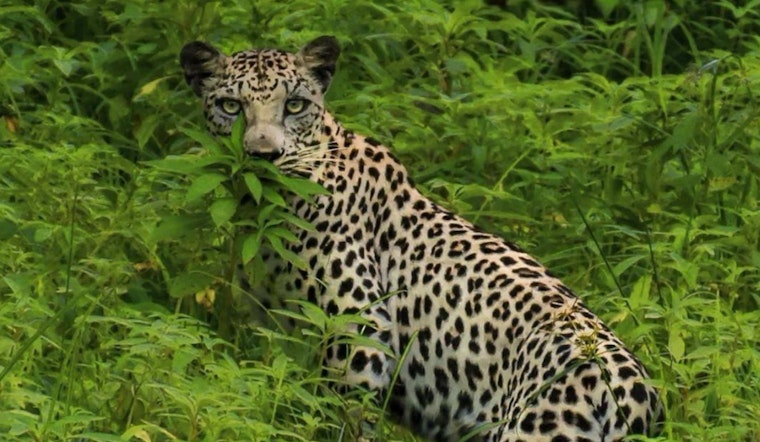
The Smithsonian’s National Zoo is about to get a seriously big upgrade. Saudi Arabia’s Royal Commission for AlUla is handing over $51.6 million to build a new Arabian leopard habitat, the largest gift in the zoo’s history. Construction is scheduled to kick off in late summer 2026, with the public opening targeted for 2029 under a 15-year cooperative program that will house a breeding pair of the critically endangered cats.
In a Feb. 10 statement, the zoo said the money will cover the whole package: building the exhibit, transporting the animals, funding conservation research, hiring dedicated scientific staff and backing long-term recovery efforts. According to Smithsonian’s National Zoo, the habitat will feature public programming and a live webcam so visitors can follow both the leopards and the science driving their potential comeback.
Where It Will Sit And How It Will Look
Concept drawings filed with the National Capital Planning Commission put the new exhibit on familiar turf: the former bison habitat near Panda Plaza, just east of the Connecticut Avenue entrance. The NCPC submission describes an "Oasis‑Wadi" hybrid developed with SmithGroup, with a low-arched, mesh-covered enclosure and curving, limestone-like forms that echo Arabian highlands while keeping visual impact on the historic Olmsted Walk to a minimum.
Plans call for public viewing yards, a climate-controlled day room so people can see the animals year-round, an off‑view care building with three leopard dens plus a cubbing den, and a VIP behind-the-scenes viewing area for special access, as outlined in the National Capital Planning Commission staff report.
Conservation Goals And Logistics
The zoo and the Royal Commission for AlUla frame the project as more than a flashy new exhibit. Under a 15-year agreement, a breeding pair of Arabian leopards will be transferred from RCU’s facility in Saudi Arabia to the National Zoo with no loan or acquisition fee. Any cubs born in Washington would later head back to Saudi Arabia to bolster rewilding efforts.
The Smithsonian notes that the Arabian leopard is classified as critically endangered, with an estimated wild population of fewer than 120 animals. The $51.6 million gift will support cooperative research into genetics, reproductive science and long-term population management. The partnership positions the D.C. habitat as both a public showcase and a scientific outpost for international conservation work, according to Smithsonian’s National Zoo.
Diplomacy And Dollars
The money is not just about saving a big cat. As reported by Axios, the arrangement surfaced around President Trump’s visit to Riyadh and has drawn comparisons to a form of animal diplomacy similar to China’s panda programs. Geopolitics commentator Ian Bremmer told Axios there is "more to this than just a Saudi effort to buy goodwill," and Axios notes that Smithsonian officials say the gift exceeds the roughly $24 million tied to the zoo’s recent panda campaign.
What Comes Next
The National Capital Planning Commission reviewed the concept plans at its Jan. 8, 2026 meeting and generally backed the preferred design, while asking for refinements to landscaping, screening along Olmsted Walk and updated renderings before preliminary and final approvals. If that schedule holds, the zoo expects to break ground in late summer 2026 and to open the exhibit in 2029, a timeline the Smithsonian has cited for the multi-year conservation effort.
For Washington visitors, the project is set to become a headline attraction along the Asia Trail and Panda Plaza area, with the zoo promising a mix of hard science and immersive views of some of the rarest cats on Earth. Whether you see it as a huge win for an endangered species or as a carefully crafted diplomatic gesture, the new leopard habitat is poised to reshape a busy corner of the National Zoo over the next three years.





