

























































Sportsbooks eyeing prediction markets just got a sharp warning from Capitol Hill. A bipartisan pair of senators on Monday rolled out legislation aimed at stopping federally regulated prediction-market exchanges from offering sports wagers and casino-style games. The sponsors say they are trying to protect state and tribal gambling systems and to shut what they call a regulatory backdoor that lets betting platforms operate without local oversight.
What the bill would actually do
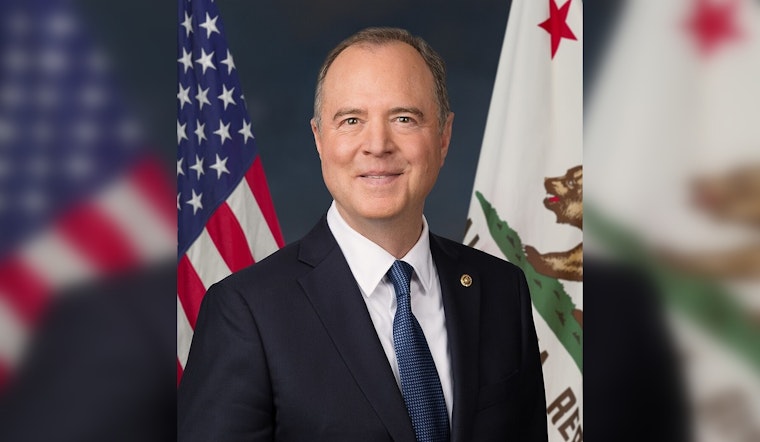
As reported by The New York Times, Sens. Adam Schiff (D-Calif.) and John Curtis (R-Utah) introduced the Prediction Markets Are Gambling Act, which would prevent CFTC-registered exchanges from listing any prediction contract that “resembles” a sportsbook wager or a casino game. The sponsors cast the proposal as a narrow fix that keeps state licensing and tax regimes in place while closing what they describe as an industry loophole.
Sponsors’ arguments
Under the bill, designated contract markets would be barred from offering sports-related or casino-style event contracts, while states would remain free to enforce their existing betting rules, according to the sponsors. In a press release, Sen. Adam Schiff's office argued that these products "violate state consumer protections, intrude on tribal sovereignty and offer no public revenue."
Why they say it is needed
Co-sponsor Sen. John Curtis said the legislation "clarifies regulatory jurisdiction and lets states maintain authority over sports betting," a point highlighted in national coverage. Supporters also cite markets tied to wars, assassinations and other highly sensitive events as evidence that stricter rules are needed to protect consumers and public institutions.
A messy legal backdrop
The measure lands in the middle of a fast-moving legal fight over who controls event contracts. The Commodity Futures Trading Commission has asked appeals courts to recognize exclusive federal oversight of event contracts, according to Bloomberg Law, while state regulators and attorneys general have launched enforcement actions and lawsuits in multiple jurisdictions, as reported by AP News.
The "death bets" that spooked lawmakers
Lawmakers have zeroed in on a handful of headline-grabbing markets that speculated on war and the health of foreign leaders. In a companion release, Rep. Mike Levin and Sen. Schiff pointed to a Kalshi market asking whether Iran’s Ali Khamenei would be "out as Supreme Leader," which drew roughly $54 million in trading before the platform paused that contract. Rep. Levin's office and the sponsors say such bets raise ethical and national-security concerns.
Industry pushback
Prediction-market operators counter that they are not casinos at all, but federally regulated exchanges with surveillance systems and insider-trading controls. Kalshi's leadership has defended the company’s rules and has described some markets as information tools rather than pure gambling in recent interviews, according to Wired. The CFTC, for its part, has signaled it intends to defend the existing federal framework in court.
What happens next
The bill was formally filed on Monday and now heads into the Senate’s legislative grinder. Even if it clears committee, it faces steep political and legal hurdles in a divided Congress. In the meantime, judges and regulators are likely to define how broadly platforms can offer sports and casino-style contracts while lawmakers argue over whether to change federal law at all.
Legal implications
If it ultimately becomes law, the measure would shut off a key growth avenue for platforms that treat event contracts as derivatives, and it would move the center of the fight from the courts back to Capitol Hill, according to legal analysts. Observers also note that the bill responds to tribal and state concerns about lost revenue and the integrity of regulated gaming markets, a tension Bloomberg Law and other outlets have tracked closely.
Schiff and Curtis are pitching the proposal as a consumer-protection and sovereignty measure, while industry groups and some federal regulators disagree on whether new federal legislation is needed at all. Expect the fight to unfold in committee hearings and courtrooms as lawmakers, states and the CFTC press competing claims over who gets to set the rules for this fast-growing market, with the odds on the final outcome still very much in play.





