

























































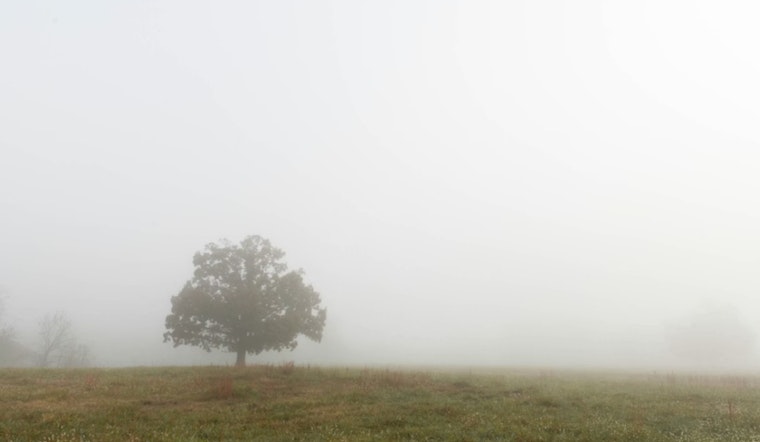
Seattle woke up under a blanket of dense fog on Saturday morning, March 14, 2026, with surface temperatures stuck in the mid 30s and visibility sharply cut in many bays and lowland pockets. The combo of fog and leftover moisture from overnight showers has left some untreated roads slick in the city and foothills, so plan on slower than usual commutes through midmorning.
Morning Fog And A Slushy Ride
A few rounds of light rain along with spotty rain-snow showers are on tap this morning, especially in the foothills and along any convergence bands. Temperatures should climb to around 45°F this afternoon as showers gradually ease. Winds will stay on the lighter side for most lowland neighborhoods, but they are expected to pick up along the coast and the Strait by midday, which could mean pockets of reduced visibility and extra spray on bridges.
Rivers Swollen, Mountains Under Watch
Several rivers in the Chehalis basin are in flood stage this morning, including the Newaukum River near Chehalis, the Skookumchuck River near Bucoda, and the Chehalis River near Grand Mound, and the Chehalis at Porter is forecast to reach flood stage later today, according to the National Weather Service Seattle. A Flood Watch remains in place through Sunday afternoon, and a Winter Storm Warning for Cascade passes runs until 11 a.m. Saturday, with mountain travel seeing the biggest impacts from accumulating snow and potential chain requirements. Out on the water, boaters should heed Small Craft Advisories on the Strait and the outer coastal waters into tonight.
Next Week: Warmer And Wetter
The pattern turns warmer and wetter beginning Sunday night into Monday as an atmospheric river brushes the region, pushing snow levels into the 7,000-9,000 foot range on Monday and bringing several days of rain and rising mountain snowmelt. For background on how this system has been building all week, the upshot for the Seattle area is that higher river rises are possible early next week, and drivers should be ready for changing conditions.
How To Stay Ahead Of It
Give yourself extra time for commutes, steer clear of driving through standing water, and stay cautious on untreated ramps and bridges through the daylight hours. If your plans include a Cascade crossing, pack traction devices and check WSDOT and the NWS before you go, since chain requirements or even closures may pop up with little notice.



