

























































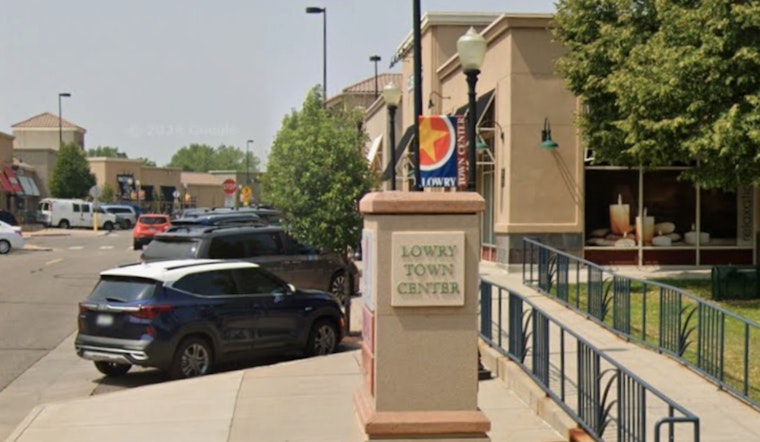
A sour, sewage-like odor has been hanging over parts of Denver’s Lowry Town Center, and it is not just offending noses. The smell has chased tenants out, left a row of empty storefronts and turned what was once a steady neighborhood hub into a problem property drawing letters from City Hall and mounting frustration from nearby residents.
Smashburger Walks, Landlord Sues
The dispute burst into public view after Smashburger shut down its Lowry spot last May, then got slapped with a lawsuit over unpaid rent, according to BusinessDen. The landlord’s complaint says Smashburger withheld rent for March through May 2025 and abandoned its lease, and the suit filed in August seeks more than $48,000. In court filings, the landlord argues that claims about sewer odors were either not real or were tied to the tenant’s own plumbing and grease-interceptor work.
Vacant Storefronts, Angry Letters And A 31 Percent Problem
Councilmember Amanda Sawyer’s office says Lowry Town Center was sitting at roughly a 31 percent vacancy rate in late 2025, and that the smell and maintenance complaints had already triggered multiple letters to the owner about “ongoing sewer gas odors,” according to Westword. Those messages, signed by neighborhood and business groups, warned that basic upkeep problems and proposed rent hikes were driving both customers and tenants away. A spokesperson for Kimco Realty told Westword the company had brought in contractors and carried out testing in an effort to investigate and address what had been reported.
City Crews Snake The Sewers, Come Up Mostly Empty
The Denver Department of Public Health & Environment inspected the center on Dec. 9 and told city officials the odor issue “could be a deeper issue with the infrastructure out there,” then passed the case to the Department of Transportation & Infrastructure and to building inspectors, Westword reports. DOTI says it cleared a city sewer line that serves the property, spending about $3,200, and did not detect any odors during that first visit. A later walk-through turned up a faint smell traced to private grease-interceptor devices, and the city advised that they needed regular cleaning and maintenance. City plumbing officials also note that building codes do not regulate smells that are merely “unpleasant,” which leaves much of the responsibility for odor control on private systems and the property manager.
Legal Fallout And Tenants Caught In The Middle
The landlord’s lawsuit frames the odor complaints as either unfounded or caused by tenants themselves, and the case is now playing out in Denver District Court, per BusinessDen. The fight underscores how murky maintenance responsibilities and a drop in foot traffic can leave small businesses exposed when shared infrastructure becomes a sore spot. For merchants already feeling the squeeze from rent pressure, that uncertainty has meant shuttered doors for some and trimmed-down footprints for the ones still hanging on.
Neighbors Hold Their Noses And Wait
Owners and nearby residents say the smell still drifts through on some days and that they are increasingly anxious about the center’s long-term future as vacancies stack up. The next stretch will show whether a combination of city inspections, private maintenance work and any renewed leasing push can reverse what community leaders say has hollowed out a key neighborhood gathering place.





