

























































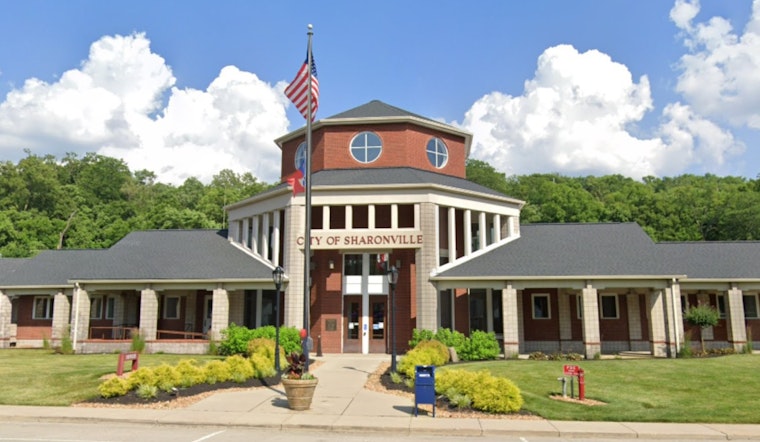
In late February, Sharonville City Council decided it was done playing referee from the sidelines and moved to formally bring hookah lounges under city control. The emergency ordinance creates the suburb’s first rulebook for the businesses, setting closing hours, launching a permit system, and spelling out safety and zoning limits for venues that had been operating in a kind of regulatory gray area. City officials said the move is a direct response to rising late-night disturbances and a wave of customers spilling into Sharonville after Cincinnati tightened its own standards.
As reported by WCPO, the new law requires hookah lounges to secure a special operating permit and gives the city power to deny or challenge licenses if a spot is not operating safely. No one under 21 is allowed inside, alcohol is prohibited on site, camera systems must be in place and accessible to law enforcement, and parking lots have to be cleaned within two hours of closing. “These hookah bars were essentially unregulated, and so they could have stayed open 24 hours a day,” Mike Mathis told WCPO.
The measure appears on the City of Sharonville council agenda as Ordinance 2026-04-E, which creates a new Chapter 732 and declares an emergency so the city can get rules in place quickly. Council members said they wanted the framework set before warmer weather ramps up nightlife along the Loop and Reading Road corridor.
The move follows a Cincinnati crackdown last year that limited hours and put pressure on problem hookah lounges after a series of late-night incidents, according to WVXU. Local reporting said that shift pushed some downtown patrons out to the suburbs, and Sahara Hookah Lounge, a 14-year fixture in Sharonville, had been staying open as late as 4:30 a.m., attracting customers after downtown spots closed. Neighbors complained about trash and congestion around the business, according to city officials.
What The New Rules Require
The ordinance folds hookah lounges into a permit and public-safety system that mirrors the city’s nightclub rules. The City of Sharonville nightclub materials outline safety-plan requirements, staffing ratios, occupancy limits, inspection powers and procedures for suspending or revoking permits, giving police and fire officials a clearer administrative path to enforce compliance. The idea is to make enforcement more routine and transparent instead of waiting to react when things go sideways.
Business owners weighed in while the rules were being drafted. Owner Hussein Al Shafee told the council he was on board with most of the provisions but warned that an earlier closing time would be tough on his customer base. Council eventually settled on a 2:30 a.m. cutoff, the same closing hour some nearby bars follow, according to WCPO. Sahara’s manager, Kareem Fami, said the lounge already checks IDs, searches bags, and posts three-person security teams on busy weekend nights, and that staff have shared surveillance footage with authorities when asked.
Enforcement And Legal Implications
By tying operations to a permit, Sharonville gains the ability to object to renewals or pull a permit altogether, tools city leaders likened to how liquor licenses are handled. Officials said the priority is prevention: clearer rules, required safety plans and camera access are meant to cut down on late-night disorder and neighborhood headaches without immediately jumping to lawsuits or emergency shutdowns. The permit system also creates a paper trail and a defined appeal process if an owner wants to challenge an enforcement action.
City staff say the ordinance is built with future growth in mind, so any new hookah lounges will face the same permitting and day-to-day operating rules. For now, Sahara will keep running under the updated standards while the city watches to see whether the changes actually curb nuisance calls and clean up the curb outside.





