

























































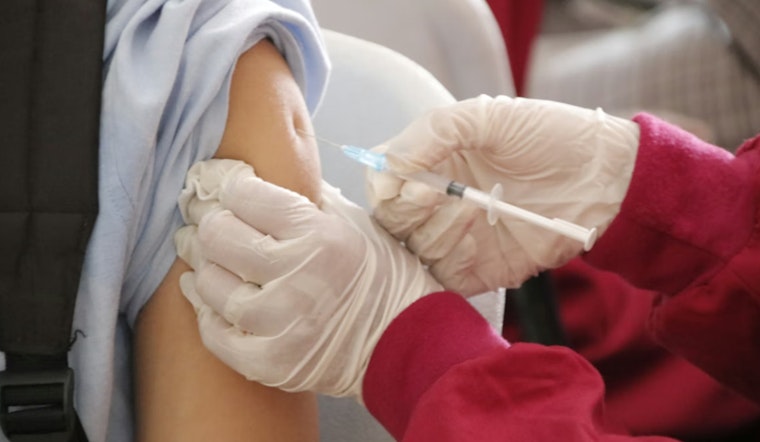
Health officials are sounding the alarm as measles vaccination rates slip in and around Charlotte, opening gaps in community protection that could let new outbreaks take hold. With clusters of unvaccinated children and ongoing spread in neighboring states, schools and pediatric clinics are bracing for more exposure notices and potential quarantine orders. Parents are being urged to double-check their children's immunization records and to talk with clinicians about catch-up shots.
Nationally, two-dose MMR coverage among kindergarteners slid to 92.5% in the 2024–25 school year, which is below the roughly 95% level public health experts say is needed to prevent sustained measles transmission, leaving about 286,000 kindergarteners without documented protection, according to the CDC. The agency's case tracker shows more than 1,100 confirmed measles cases in the U.S. so far this year, according to CDC, and local reporting has flagged the risk to the Carolinas, including a recent piece from WCNC.
Outbreaks Creep Closer To Home
The largest current cluster is centered in Spartanburg County, S.C., where the outbreak has topped more than 900 confirmed cases and led to wide quarantine and vaccination efforts, per local reporting. North Carolina officials say a small number of cases in the state have been linked to that Spartanburg outbreak, and the state has launched an online measles dashboard to track exposures; see reporting from WBTV and an update from NCDHHS for details.
The concern for Charlotte is straightforward: as measles edges closer and more people travel in and out of the region, any pockets of unvaccinated students become prime fuel for an outbreak.
What Falling Coverage Could Cost
Analyses summarized by CIDRAP estimate that the 2025 measles resurgence cost roughly $244 million and warn that a sustained 1% annual drop in MMR coverage could push annual outbreak costs to about $1.5 billion by 2030. The projections factor in outbreak response, missed work and hospitalizations, underscoring how even modest declines in vaccination can quickly multiply public health and economic burdens. Experts say the numbers are a reminder that keeping coverage high matters even in communities that have not seen cases recently.
What Parents And Schools Can Do Now
Pediatric guidance is still clear and familiar: routine MMR dosing, with a first dose at 12–15 months and a second at 4–6 years, protects the vast majority of children. In outbreak settings, infants aged 6–11 months may receive an early dose, according to the AAP.
Schools and child-care programs are being urged to review immunization records, work with local health departments on catch-up clinics and follow exposure guidance when cases are identified. Families who are unsure about records or coverage can contact their pediatrician or county public health office to confirm status and schedule vaccine appointments before an exposure notice shows up in the backpack.





