

























































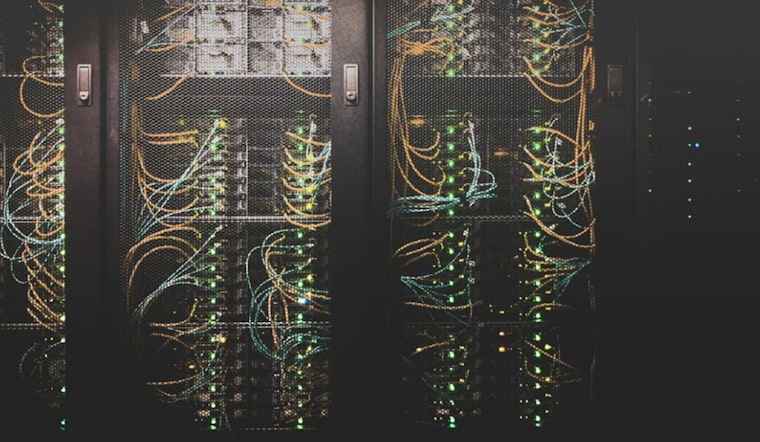
Massachusetts is on track to host what would be its first hyperscale AI data center, a multibillion-dollar, 120-acre campus that developers say could reshape power demand across the western part of the state. While state and local officials talk up jobs and workforce training, federal lawmakers and local residents are already asking a blunt question: who is going to pay for the massive grid upgrades needed to feed it?
“So, we have to make sure that any increase in electricity rates is not passed on to residential consumers,” U.S. Sen. Ed Markey said, urging safeguards to prevent pollution from being “injected into residential neighborhoods,” as reported by Boston 25 News. His warning mirrors long-running concerns from community groups that have pushed back on local data center expansions.
Earlier this winter Markey and several colleagues formally pressed federal regulators, sending a letter to the Federal Energy Regulatory Commission that urged protections for residential ratepayers from costs tied to data center buildouts, according to Sen. Markey’s office. Lawmakers argue that now is the time to set guardrails before more hyperscale projects land on the grid.
The specific Westfield proposal stirring attention has been described by developers as a roughly 120-acre campus with a $2.5 billion to $4 billion price tag, and supporters credit a 2024 sales-and-use tax change with reviving the plan, according to Banker & Tradesman. Local coverage has billed the project as a potential game changer for western Massachusetts, with pre-development work described as likely within a year, per NBC Boston.
The anxiety is not just hypothetical. Watchdog analysis and national reporting have already tied rapid data center growth to big grid costs in other regions. Bloomberg reported that Monitoring Analytics, the independent market monitor for the PJM grid, attributed roughly $9.4 billion in recent capacity costs to data center load, expenses that can find their way into retail electric rates for ordinary customers.
At the federal level the White House has tried to get out in front of the backlash. In his Feb. 24 State of the Union address, the president announced a “ratepayer protection pledge,” saying major tech firms must “provide for their own power needs” so community rates do not rise, according to the State of the Union transcript. Energy experts, however, told WHYY that the pledge as described lacks binding mechanisms and may not actually stop utilities or regulators from shifting costs onto consumers.
Closer to home, Lowell residents have organized against expansions at the Markley data center, raising complaints about noise, diesel generator storage and air quality impacts. Yale Law School’s environmental justice clinic is representing neighbors who are challenging a MassDEP approval. Industry representatives and local officials counter that data centers deliver solid jobs and that operators will cover their “full cost of service” for electricity, a point they have emphasized in recent reporting and public statements.
Regulatory Pressure And Next Steps
Beyond any single project, lawmakers led by Sen. Elizabeth Warren have opened inquiries into whether Big Tech’s data center buildout is shifting infrastructure costs onto families, according to Sen. Warren’s office. The White House has also scheduled meetings with industry officials to formalize pledges and expectations around power costs, Energy News reports. That spotlight puts regulators at FERC and state public utility commissions on the hook to decide whether new tariffs, interconnection rules or contractual terms should force large users to shoulder more of the upfront grid bill.
For Massachusetts the fight is shaping up as a classic tradeoff. Hyperscale facilities promise jobs and investment, but the way utilities and regulators allocate the costs of new substations, transmission lines and generation will decide whether neighborhoods ultimately bankroll the AI boom on their monthly bills. Expect bruising battles at city halls and in utility dockets as the state tries to balance economic development with ratepayer protection.





