

























































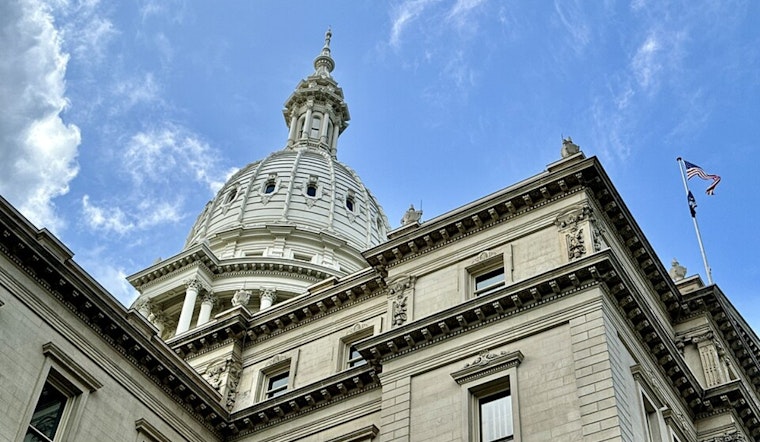
Michigan lawmakers are renewing a push to create a statewide Silver Alert system that would blast urgent phone and broadcast warnings when seniors and other vulnerable adults go missing. Identical bills that sailed through one chamber last year then stalled in the other are getting fresh attention, and backers say a quick course correction could change how missing-person searches launch across the state. Supporters argue that a formal alert network would speed public searches and reunions in situations where wandering can become life-threatening in just a few hours.
Where the bills stand
Senate Bill 456, sponsored by Sen. Mallory McMorrow, passed the Michigan Senate in October 2025, according to OpenStates. Its counterpart, House Bill 4362, introduced by Rep. Gina Johnsen, cleared the Michigan House in September 2025, according to Michigan House Republicans.
What the bills would do
Both measures would require local law enforcement to notify the Michigan State Police when a qualifying senior or vulnerable adult is reported missing, and they would authorize MSP to issue Wireless Emergency Alerts statewide, the same federal system used for AMBER Alerts, Sen. McMorrow's office says. "In the blink of an eye, a family's whole world changes when a loved one goes missing," McMorrow wrote on her site as she urged lawmakers to move quickly, her office explains.
A family’s plea
Families of missing seniors have been leaning on lawmakers to act. The Detroit News reports that the family of David Moffett, an Emmet County man with Alzheimer's who was last seen walking his dog in September 2023 and remains missing, has been among the most outspoken. His sister wrote that "also missing is Michigan being closer to a much needed Silver Alert system," and the same article says lawmakers plan a press conference Monday in Dearborn Heights to underscore the point.
Why advocates say speed matters
Care organizations warn that wandering is both common and dangerous. The Alzheimer's Association notes that six in 10 people living with dementia will wander at least once. Advocates say early public awareness is crucial in those cases, because every hour of delay in sightings and searches sharply reduces the odds of a safe return.
Political logjam and next steps
Despite broad bipartisan support in committee and on the floors last fall, both bills have been parked in the opposite chamber since late 2025, according to OpenStates. Organizers say the Dearborn Heights event is designed to put human faces on the legislative gridlock and push leaders to choose a vehicle and move it to a final vote.
If lawmakers reconcile the two measures and send one bill to the governor, supporters say the shift would be a relatively small technical change with potentially outsized benefits: more eyes on the road and faster reunions for vulnerable Michiganders. Sponsors in both parties say they plan to keep pressing until Michigan joins the majority of states that already use Silver-style alerts.





