

























































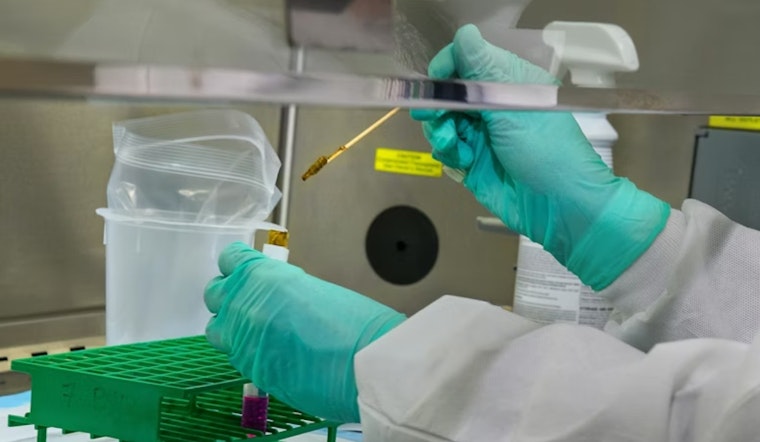
A Simi Valley lab-supplies company is under scrutiny after state officials discovered that some urine-based alcohol tests used in California DUI investigations may have given skewed results. The issue surfaced when the state found that kits supplied by the firm did not contain enough preservative to reliably stop fermentation in stored urine samples.
In specific and rare conditions, such as urine containing a lot of sugar and coming into contact with yeast, fermentation inside a sample container could generate alcohol that would not have been present at the time of collection. That scenario could nudge results higher than they should be and potentially affect prosecutions in counties that rely on the state laboratory system. The finding prompted local prosecutors to pull case files for review and led the state to audit past analyses. Officials report that only a very small share of cases appears to be implicated so far.
According to the Los Angeles Times, Andwin Scientific began supplying urinalysis kits to the California Department of Justice nearly a decade ago for law enforcement agencies that do not have their own forensic laboratories. The kits lacked the usual amount of sodium fluoride, a chemical commonly used to prevent fermentation in biological samples. The Times reports that authorities first learned about the defect last summer and that roughly 60 law enforcement agencies and seven district attorneys' offices were warned about potentially affected cases.
Andwin’s product listings include urine-preservation materials and other specimen-collection supplies, and the company identifies its headquarters at 167 W. Cochran St. in Simi Valley. It operates as a lab-supplies distributor that sells to law enforcement and clinical customers, according to the Andwin Scientific website.
Why some agencies relied on state kits
Not every county in California was exposed to the problem. Large jurisdictions such as Los Angeles, San Francisco and Orange counties were not on the state's list of affected agencies because they run their own forensic laboratories. Smaller departments, by contrast, often lean on state expertise.
The Bureau of Forensic Services describes a statewide network of regional labs that supports local law enforcement and conducts testing for agencies that lack in-house facilities. That structure helps explain why some jurisdictions depended on Department of Justice supplied urinalysis kits, according to the Department of Justice’s Bureau of Forensic Services.
State audit and what it found
After learning about the preservative problem, Andwin adjusted its kits and the state launched an audit of cases it believed could be affected. The review identified 97 urine tests that showed alcohol levels near or above 0.04% and concluded that only about 0.07% of DUI and related alcohol analyses statewide involved the faulty kits and required additional scrutiny, according to the Los Angeles Times.
In a Jan. 28 letter, Katina Repp, director of the state laboratory in Santa Rosa, cautioned that "it is possible, under these ideal conditions described above, that some fermentation may have occurred." Her statement underscored that the risk was tightly limited to unusual, lab-specific circumstances rather than routine testing conditions.
Sonoma County review
In Sonoma County, prosecutors notified defense attorneys that they had flagged six DUI cases dating back to 2016 for a closer look. In each of those matters, the office reported finding enough other indications of intoxication that no immediate action on the convictions or charges was necessary.
The county also identified three additional criminal cases in which the urine donors were not the defendants. Attorneys in all affected cases were informed, and local officials say they are continuing to evaluate whether any convictions or pending charges need to be revisited in light of the testing issue.
What this means for drivers and cases
Urinalysis is rarely the star witness in a DUI trial, and the state’s audit suggests that only a tiny fraction of alcohol tests involved the flawed kits. That combination makes sweeping case reversals unlikely.
Even so, prosecutors and defense lawyers in affected jurisdictions will have to go case by case. The key question is whether any particular conviction or pending charge relied in a meaningful way on a urine test that might have been pushed higher by fermentation. Where that answer is yes, the test results, and possibly the outcome of the case, could be up for debate.





