

























































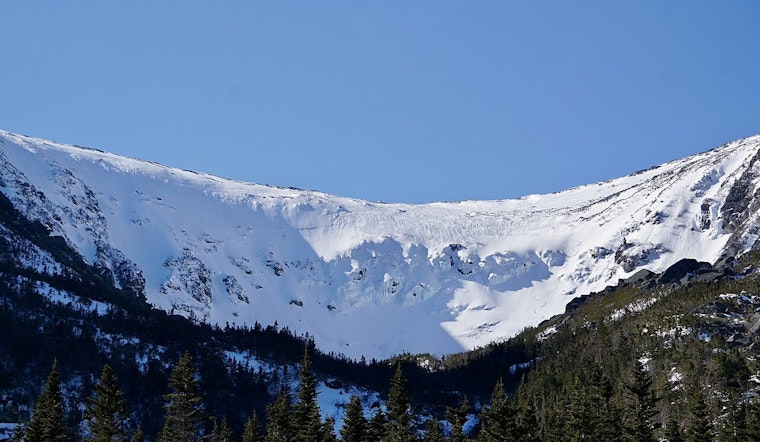
A raw video circulating online captures the moment a skier kicks off an avalanche while dropping into the Sluice in Tuckerman Ravine on Mount Washington, a reminder that spring crowds do not erase winter hazards in New Hampshire’s most famous backcountry bowl. The Mount Washington Avalanche Center says recent wind and new snow have created wind-loaded drifts sitting on top of a weak snowpack, pushing the odds of both human-triggered and natural avalanches higher across the terrain.
According to WBAL, the slide fractures as the skier starts down the Sluice, a steep chute on the east side of the ravine. The station’s report includes the video and highlights the avalanche center’s advisory that currently covers the broader Presidential Range.
Avalanche center warns of unstable snow
Per the Mount Washington Avalanche Center, strong winds are stacking deep drifts on top of weaker layers in the snowpack, a classic recipe for instability. Forecasters say natural avalanches are possible as winds increase, and they are urging backcountry travelers to dig into current snowpack information, choose routes conservatively, and steer clear of steep, wind-loaded east-facing slopes.
Tuckerman’s spring traffic and recent slides
Tuckerman Ravine is a spring magnet for experienced skiers, but the same popularity means more people are exposed when conditions go sideways. This season, the bowl and neighboring Huntington Ravine have already seen multiple human-triggered slides and rescues.
The Associated Press has detailed previous days when hard, icy conditions in the ravine led to serious injuries and a fatality. Outlets including Northeast Explorer have also highlighted earlier clips pulled from the avalanche center’s social pages, underscoring how frequently this terrain reminds visitors who is really in charge.
Safety takeaways for backcountry users
The avalanche center continues to push the basics: carry a beacon, probe, and shovel, and move one at a time through any slope or runout exposed to avalanche hazard. Checking the daily forecast before committing to avalanche terrain is considered non-negotiable.
According to the Mount Washington Avalanche Center, the smartest moves in this setup are conservative route selection and avoiding steep, wind-loaded east aspects altogether. In other words, if the slopes look too good to be true, it might be the snowpack, not your ski legs, that is about to give out.





