

























































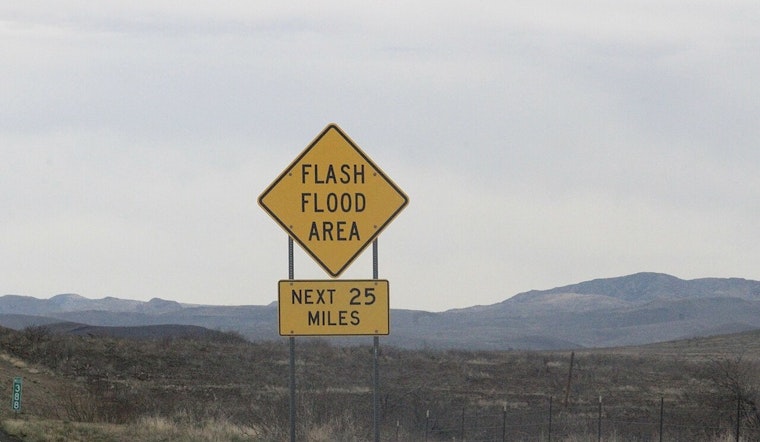
A single line of fine print could soon carry a big warning for Washington renters: your place might be in a flood zone, and your landlord’s insurance will not pay for your stuff if the water comes in. Lawmakers have approved a bill that would require landlords to disclose flood risk in new leases and spell out that tenants’ belongings are not covered by the landlord’s policy. The rule would apply only to leases signed after December 31, 2026, and only if the governor signs the measure.
According to the Washington State Legislature, Substitute Senate Bill 6237 passed both chambers and was delivered to the governor on March 10, 2026. The Senate approved it on a 46–3 vote, and the House followed with a 65–28 tally, according to the official bill summary.
What the law would require
Under the substitute bill, landlords would have to add a written disclosure to new residential leases stating that the property “may be located in a special flood hazard area or an area of potential flooding.” The notice must also explain that the landlord’s insurance does not cover tenants’ personal possessions and that renters should consider purchasing renters insurance and flood insurance. The proposal further directs landlords to point tenants to county hazard information and limits the requirement to leases entered into after December 31, 2026. Those specifics are laid out in the Washington State Legislature bill text.
Why the change now
Lawmakers and tenant advocates trace the push to last winter’s historic flooding in Western Washington, which left many renters with heavy losses. As KUOW reported, coverage at the time highlighted renters who never knew their homes sat in floodplains until December’s storms wiped out most of their belongings.
Sen. Jessica Bateman, the bill’s primary sponsor, has said she was prompted to act after reading stories about renters who were blindsided by flooding. Landlord groups told reporters they were generally neutral about the proposal as long as it applied only to leases and not to rental advertisements, while tenant advocates welcomed the added transparency but warned that the requirement would not make flood insurance more affordable for low-income renters, according to the Spokesman-Review.
According to the bill text, landlords and their agents are immune from civil liability for leaving out the disclosure unless the omission is knowing and intentional. That exception, along with the lack of a specific statutory damages remedy in the substitute language, has led advocates to say the bill improves notice but keeps tenants’ legal recourse limited.
How renters can protect themselves
Renters should be aware that a standard renters insurance policy typically does not cover damage from natural flooding. Separate contents-only flood coverage is available through the National Flood Insurance Program. The NFIP’s consumer site explains that renters can buy contents coverage to insure personal belongings, that building coverage and contents coverage have separate limits, and that policies may include waiting periods, so tenants should review options and timing before a storm hits (FloodSmart/NFIP).
The bill is now on Gov. Bob Ferguson’s desk and will become law if he signs it. Lawmakers delivered the measure to the governor on March 10, 2026. If it is signed, the disclosure requirement would apply to leases entered into after December 31, 2026, and landlords will need to update lease templates and links to county hazard information ahead of that date.





